Why Paint Correction Must Come Before Ceramic Coating in Houston in Ceramic Coating Houston, TX
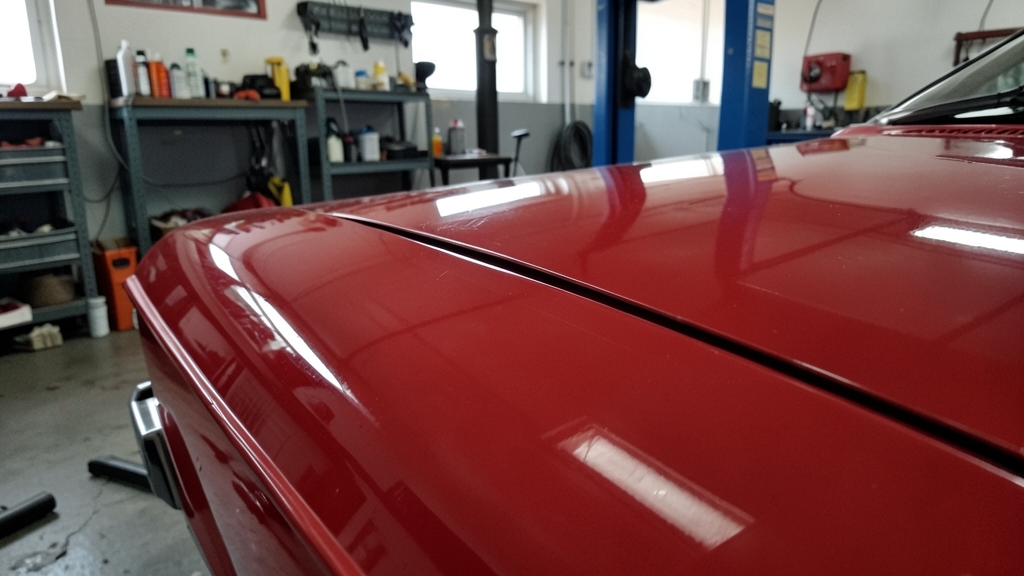
Applying ceramic coating over imperfect paint is like sealing in the flaws forever. In Houston’s harsh sun and humidity, proper paint correction ensures your coating bonds to a pristine surface, maximizing durability and shine. Here’s why this step is non-negotiable for local drivers.
Ceramic Coating Won’t Fix Paint Imperfections
Ceramic coatings are protective, not corrective. They amplify the existing condition of your paint—swirl marks, scratches, or oxidation will remain visible, locked under a glossy layer.
The coating’s hydrophobic and UV-resistant properties won’t mask etches from bird droppings or water spots. What you see before application is what you get, permanently.
What Paint Correction Actually Does
Professional paint correction removes surface defects through precise polishing. We use compound and polish combinations tailored to your paint’s hardness and the severity of imperfections.
The process restores clarity, depth, and reflectivity by leveling the clear coat. In Houston’s intense sunlight, this step prevents premature fading and ensures the coating adheres uniformly.
The Risk of Skipping Paint Correction in Houston’s Climate
Houston’s heat, humidity, and pollen accelerate paint degradation. Without correction, contaminants and micro-scratches become trapped under the coating, leading to premature failure.
Oxidation and water spots, common in areas like Pasadena or Sugar Land, can spread beneath the coating if not addressed first. Correction stops this damage at the source.
Ceramic coating over untreated defects can make them harder to fix later. Removal requires stripping the coating, re-polishing, and reapplying—costing more time and effort.
Paint Correction vs. Ceramic Coating: Key Differences
While both enhance your vehicle’s appearance, their purposes differ. Correction is a one-time restorative process, while ceramic coating is a long-term protective layer.
| Aspect | Paint Correction | Ceramic Coating |
|---|---|---|
| Purpose | Repairs paint defects | Protects and enhances paint |
| Process | Polishing with compounds/pads | Application of liquid polymer |
| Duration | Single session (1-3 days) | Lasts 2-5+ years |
| Effect on Imperfections | Removes them | Seals them in |
| Maintenance | None after completion | Requires periodic washing |
Steps in Professional Paint Correction
We start with a thorough wash and decontamination using a clay bar to remove embedded particles. This step is critical in Houston, where industrial fallout and pollen are prevalent.
Next, we measure paint thickness with a gauge to avoid over-polishing. Thin clear coats, common on newer vehicles, require extra caution to prevent burn-through.
How Houston’s Environment Affects the Process
The Woodlands and Katy see higher tree sap and bug splatter, which etch paint if not removed quickly. Our correction process targets these localized contaminants before they cause permanent damage.
For fleet vehicles in Pearland or commercial trucks, we focus on high-wear areas like hoods and roofs, where UV exposure and road debris are most aggressive.
Schedule paint correction in early spring or fall. Houston’s summer humidity can slow curing times, while winter pollen can re-contaminate fresh surfaces.
When to Combine Paint Correction with Other Services
Pairing correction with Paint Protection Film (PPF) offers ultimate defense. PPF shields against rock chips, while the coating adds hydrophobic properties and UV resistance.
For wheels and brake calipers, ceramic coating after correction prevents brake dust from bonding to the surface. Interior ceramic protection is also popular for Sugar Land’s luxury vehicles.
Services to Bundle with Paint Correction
- Full-Vehicle Ceramic Coating for long-term protection
- Paint Protection Film (PPF) for high-impact areas
- Ceramic Window Tint to reduce heat and UV rays
- Wheel & Brake Caliper Ceramic Coating for easier cleaning
- Headlight Restoration & Coating to improve nighttime visibility
What to Expect After Paint Correction and Coating
Your vehicle will have a mirror-like finish that repels water, dirt, and grime. The coating’s hydrophobic effect makes washing easier, especially after Houston’s sudden rainstorms.
Gloss and depth are dramatically improved. The coating also resists chemical stains from road salt and industrial pollutants common in the Houston Ship Channel area.
How to Prepare Your Car for Paint Correction in Houston
Proper prep ensures excellent results from your paint correction and ceramic coating.
- 1Wash Thoroughly
Use a pH-neutral car shampoo to remove surface dirt. Avoid automatic car washes, as their brushes can introduce new swirl marks.
- 2Decontaminate the Paint
Apply a clay bar with lubricant to pull embedded contaminants like tar, iron particles, or industrial fallout from the clear coat.
- 3Inspect Under Different Lighting
Check for swirls, scratches, or oxidation in direct sunlight and under LED lights. This helps identify all imperfections before correction begins.
- 4Avoid DIY Polishing
Improper polishing can cause holograms or burn-through. Trust a professional with the right tools and experience, especially for high-end or classic vehicles.
- 5Schedule During Ideal Conditions
Avoid correcting paint in extreme heat or humidity. Early morning or late afternoon sessions in a climate-controlled bay yield optimal results.
Frequently Asked Questions
Can I apply ceramic coating without paint correction in Houston?
Technically yes, but it’s not recommended. The coating will lock in existing flaws, reducing the overall appearance and longevity. In Houston’s climate, this can lead to premature peeling or yellowing.
How long does paint correction take before ceramic coating?
A full correction can take 1-3 days, depending on the vehicle’s size and paint condition. For severe defects, multiple stages of polishing may be required. We always allow time for the paint to stabilize before coating.
Will paint correction remove deep scratches?
It depends on the depth. Light to moderate scratches in the clear coat can often be polished out. Deeper scratches that penetrate the base coat may require touch-up paint or wet sanding.
How often should I reapply ceramic coating in Houston?
High-quality ceramic coatings last 2-5 years, but Houston’s UV exposure and humidity can shorten this. We recommend inspections every 1-2 years and a fresh coat when water no longer beads uniformly.
Does paint correction work on matte or satin finishes?
Yes, but it requires specialized products and techniques. Matte finishes are more prone to showing swirls, so correction must be gentler. Always use a professional familiar with non-glossy paints.
Is paint correction worth it for older cars in Ceramic Coating Houston?
Absolutely. Older vehicles often have oxidation, fading, or heavy swirling. Correction restores the paint’s original luster, making the ceramic coating look even better. It’s a cost-effective way to refresh an aging car’s appearance.