Why Dish Soap Ruins Your Ceramic Coating and What to Use Instead in Ceramic Coating Houston
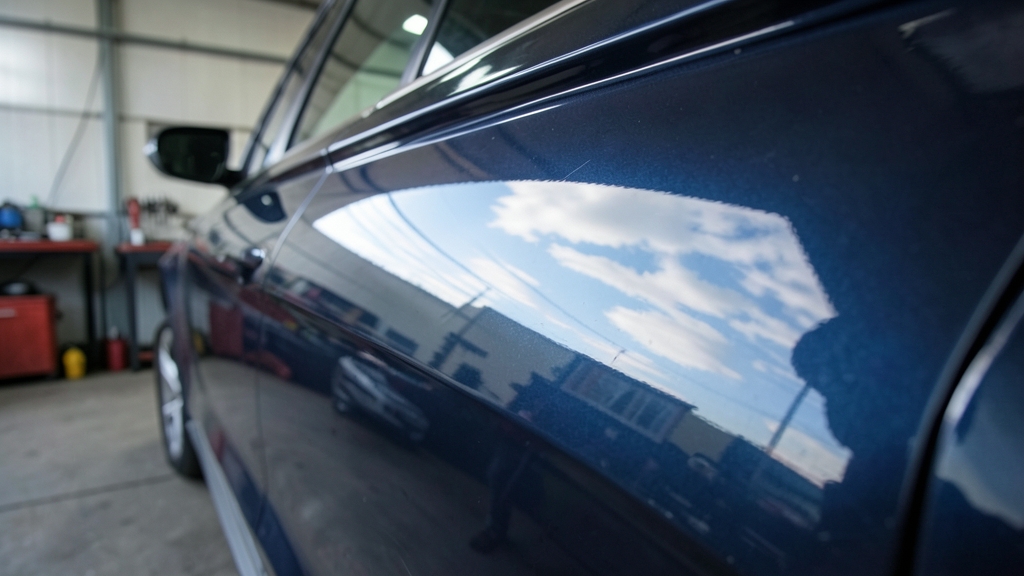
We see it all the time: well-meaning car owners in Houston grab dish soap for a quick wash, unaware it’s slowly stripping their ceramic coating. That $10 bottle can undo months of protection and gloss. Here’s the science behind the damage—and the right way to clean coated paint.
How Ceramic Coatings Work on Your Paint
Ceramic coatings form a covalent bond with your clear coat, creating a hydrophobic SiO2 layer rated at 9H hardness. This isn’t wax—it’s a semi-permanent shield against UV rays, bird droppings, and road grime.
The coating’s beading effect repels water, but that performance depends on maintaining the chemical integrity of the top layer. Harsh cleaners break that down fast.
Why Dish Soap Is a Silent Killer for Ceramic Coatings
Dish soap is engineered to cut through grease and dissolve oils—exactly what you don’t want on a ceramic-coated surface. Its high pH and degreasers attack the hydrophobic matrix, reducing water beading over time.
Repeated use strips the coating’s self-cleaning properties. In Houston’s humidity, this means water spots and contaminants stick harder, defeating the purpose of the coating.
Dish soap, laundry detergent, and household all-purpose cleaners. Even ‘mild’ versions can degrade SiO2 bonds with regular use.
The Right Soaps for Ceramic-Coated Cars
pH-neutral car shampoos are the gold standard. They lift dirt without disrupting the coating’s chemistry. Look for SiO2-safe formulas—many are labeled for ceramic or graphene coatings.
In Houston’s hard water areas, a rinseless wash or water spot remover can supplement your routine. These prevent mineral deposits that etch into unprotected paint or weakened coatings.
| Cleaner Type | pH Level | Safe for Ceramic Coating? | Notes |
|---|---|---|---|
| pH-neutral car shampoo | 6.5–7.5 | Yes | Gentle, preserves hydrophobic layer |
| Dish soap | 9–12 | No | Strips oils, degrades SiO2 bonds |
| Laundry detergent | 10–11 | No | Harsh surfactants damage coating |
| Rinseless wash concentrate | 7–8 | Yes | Great for Houston’s water restrictions |
| Iron remover spray | 1–3 (acidic) | Yes (occasional use) | Safe if pH-balanced and rinsed thoroughly |
Houston-Specific Threats to Your Coating
Our climate accelerates coating wear. UV exposure is intense, and pollen, bug splatter, and road salt (yes, even in Texas winters) cling to surfaces. A weakened coating can’t repel these contaminants as effectively.
Neighborhoods near refineries or construction zones see higher industrial fallout. Regular, proper washing is non-negotiable to prevent etching and staining.
The Two-Step Wash Process We Recommend
Start with a foam cannon to loosen dirt without touching the paint. This reduces swirl marks—a common issue we fix with paint correction before applying coatings in Pasadena or Sugar Land.
Follow with a microfiber wash mitt and two-bucket method. Grit guards in the buckets prevent re-introducing contaminants. Never wash in direct sunlight; Houston’s heat can cause soap to dry too quickly.
Pre-Wash Checklist
- Rinse wheels and wheel wells first (use a dedicated wheel cleaner safe for ceramic coatings)
- Apply iron remover if wheels or paint feel rough (common after driving in Pearland’s industrial areas)
- Use a clay bar or clay mitt only if needed—overuse can prematurely wear the coating
- Dry with a high-quality microfiber towel or blower to prevent water spots
Maintenance Mistakes That Void Warranties
Many ceramic coating warranties require pH-neutral cleaners and regular maintenance. Using dish soap or automatic car washes with harsh brushes can void coverage—something we emphasize for clients in The Woodlands and Katy.
Skipping annual inspections is another pitfall. We often catch early signs of coating degradation during routine checks, allowing for touch-ups before major damage occurs.
Apply a ceramic boost spray every 3–6 months. It refreshes the hydrophobic layer and extends the life of your full-vehicle ceramic coating.
When to Call in the Pros
If your coating no longer beads water or feels rough, it may need professional rejuvenation. In some cases, a light polish and reapplication of a top-up coating can restore performance.
For heavy contamination or visible swirls, our team often combines paint correction with a fresh ceramic coating. This is common for luxury vehicles in areas like Sugar Land or commercial fleets needing maximum durability.
How to Wash a Ceramic-Coated Car the Right Way
Follow these steps to clean your coated vehicle without compromising its protection.
- 1Pre-Rinse Thoroughly
Use a pressure washer or hose to remove loose dirt. Focus on wheels, grilles, and lower panels where road grime accumulates.
- 2Apply pH-Neutral Shampoo
Work in sections, using a foam cannon or wash mitt. Avoid circular motions—use straight lines to minimize swirls.
- 3Use the Two-Bucket Method
One bucket for soap, one for rinsing your mitt. Grit guards trap dirt at the bottom, preventing scratches.
- 4Rinse and Dry Immediately
Rinse all soap off before it dries. Use a microfiber towel or air blower to dry, then apply a quick detailer spray if desired.
- 5Inspect and Maintain
Check for water beading and gloss. If performance drops, it’s time for a maintenance wash or professional inspection.
Frequently Asked Questions
Can I use dish soap just once on my ceramic coating in Houston?
Even a single use can start breaking down the hydrophobic layer. The damage is cumulative, so it’s best to avoid it entirely. Stick to pH-neutral car shampoos to preserve your coating’s integrity.
How often should I wash my ceramic-coated car in Houston’s climate?
Every 1–2 weeks is ideal, especially in summer when pollen and bug splatter are rampant. If you park outside, more frequent rinses help combat UV and industrial fallout.
Will ceramic coating prevent water spots in Houston’s hard water?
It reduces them, but not entirely. Hard water minerals can still leave deposits. A rinseless wash or water spot remover can help, and some clients opt for ceramic window tint to ease cleaning.
What’s the difference between a ceramic coating and paint protection film (PPF)?
Ceramic coatings are liquid-applied and enhance gloss and hydrophobic properties, while PPF is a physical urethane film that protects against rock chips and scratches. Many of our clients in Katy combine both for ultimate protection.
Can I apply a ceramic coating to my wheels and brake calipers?
Absolutely. Wheel and brake caliper ceramic coatings resist brake dust and high temps, making them easier to clean. This is a popular add-on for performance vehicles in The Woodlands.
How do I know if my ceramic coating is failing?
Signs include reduced water beading, increased dirt adherence, or a duller appearance. If you notice these, request a quote for an inspection—early intervention can save your coating.