Why Ceramic Coatings Fail: Fixing Bonding Issues in Ceramic Coating Houston
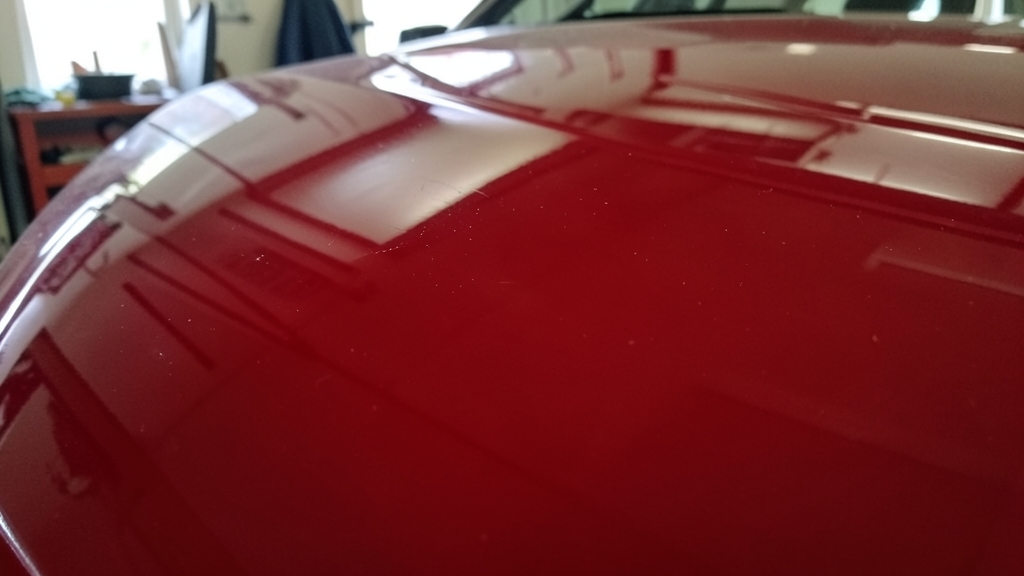
A ceramic coating that peels or beads unevenly isn’t just unsightly—it’s a sign of bonding failure. In our humid, UV-intense climate, even small prep mistakes can sabotage durability. We break down why this happens and how to ensure a flawless, long-lasting finish on your vehicle.
What Bonding Failure Looks Like on a Ceramic Coated Car
Bonding failure shows up as peeling edges, patchy water beading, or areas where the coating wipes off with a microfiber towel. These red flags mean the ceramic layer never fully adhered to the clear coat.
In Houston’s heat, failed bonds accelerate. UV rays and moisture exploit weak spots, causing premature degradation. Catching it early prevents costly paint correction later.
If your coating loses hydrophobicity within months, it’s not just ‘wear’—it’s likely a bonding issue. Reapplying over a failed layer wastes time and product.
The 3 Most Common Causes of Ceramic Coating Bonding Failure
Poor surface prep is the top culprit. Oils, waxes, or oxidation left on the paint prevent the coating from chemically bonding to the clear coat. Even fingerprints can sabotage adhesion.
Applying a ceramic coating over a fresh wax or sealant creates a barrier, as the coating bonds to the wax rather than the paint, leading to failure.
Environmental factors during application matter too. High humidity, dust, or rain within 24 hours can disrupt curing. In Houston, we schedule installations during low-humidity windows.
Surface Prep: The Non-Negotiable Step Before Any Ceramic Coating
A proper decontamination wash removes embedded iron particles and tar. We use iron-removing sprays and clay bars to achieve a glass-smooth surface.
Paint correction follows. Swirl marks and oxidation must be polished out; ceramic coatings amplify imperfections, not hide them. This step is critical for vehicles in Pasadena or Katy, where industrial fallout is common.
Final prep includes a solvent wipe-down with isopropyl alcohol or a dedicated prep spray. This removes any remaining oils or polishing residues, ensuring a clean slate for the coating.
Pre-Coating Surface Prep Checklist
- Two-bucket wash with pH-neutral soap
- Iron decontamination spray application
- Clay bar treatment for embedded contaminants
- Paint correction (compound and polish as needed)
- Final wipe with IPA or prep solvent
Ceramic Coating Types and Their Bonding Requirements
Not all ceramic coatings are created equal. Consumer-grade sprays (often SiO2-based) lack the durability of professional-grade coatings, which use advanced polymers for stronger cross-linking.
Professional coatings like those we apply in Sugar Land or The Woodlands require precise layering. Some need a base coat for adhesion, while others are single-stage. Skipping steps risks failure.
Hybrid coatings blend ceramic and organic polymers. They’re easier to apply but less durable. For Houston’s climate, we recommend 100% ceramic for long-term protection.
| Type | Durability | Application Difficulty | Bonding Requirements |
|---|---|---|---|
| Consumer Spray-On (SiO2) | 6-12 months | Low | Clean surface; no prep needed but limited adhesion |
| Hybrid Ceramic | 1-2 years | Moderate | Light paint correction; IPA wipe-down |
| Professional-Grade Ceramic | 3-5+ years | High | Full paint correction; multi-layer application |
| Graphene-Infused Ceramic | 5-7+ years | High | Full prep; precise environmental control |
Houston-Specific Challenges for Ceramic Coating Adhesion
Our humidity levels can exceed 90% in summer. Applying a coating in these conditions traps moisture between the paint and ceramic layer, leading to bubbles or peeling.
Industrial areas like Pasadena or Pearland expose vehicles to higher levels of contaminants. Without thorough decontamination, these particles interfere with bonding.
Extreme temperature swings—from 40°F winters to 100°F+ summers—test the coating’s elasticity. Poorly adhered coatings crack under this stress.
Aim for early spring or fall, when humidity is lower (40-60%) and temperatures are stable (60-80°F). Avoid rainy seasons and extreme heat.
How to Fix a Failed Ceramic Coating Bond
The only permanent fix is removal and reapplication. Attempting to ‘top up’ a failed coating compounds the problem, as new layers won’t adhere properly.
We use specialized ceramic coating removers to strip the old layer without damaging the clear coat. This is followed by a fresh round of paint correction and prep.
For partial failures, spot-treatment may work if the surrounding coating is intact. However, this requires precision to blend the new application seamlessly.
Preventing Bonding Failure: Pro Tips from the Field
Always work in a controlled environment. Our bay in Houston uses HEPA filtration and climate control to minimize dust and humidity during application.
Use the right tools. High-quality microfiber applicators and suede cloths prevent introducing contaminants. Cheap foam pads can leave residues that disrupt bonding.
Follow the manufacturer’s curing guidelines to the letter. Some coatings need 12-24 hours before exposure to water; others require infrared lamps to accelerate cross-linking.
How to Test if Your Ceramic Coating Is Bonding Properly
A simple at-home test can reveal early signs of bonding failure.
- 1Water Beading Test
Mist water onto the coated surface. Quality ceramic coatings will form tight, uniform beads. Flat or uneven beading suggests failure.
- 2Microfiber Towel Test
Gently rub a clean, dry microfiber towel over the surface. If the coating smears or comes off, bonding has failed.
- 3Tape Test
Apply a piece of painter’s tape to the coating, then pull it off quickly. If the coating peels with the tape, adhesion is compromised.
- 4Visual Inspection
Check for hazy spots, peeling edges, or areas where water sheets instead of beads. These are clear indicators of bonding issues.
- 5Professional Evaluation
For a definitive answer, bring your vehicle to a local expert. We use thickness gauges and UV lights to assess coating integrity.
Frequently Asked Questions
Can I apply a ceramic coating over an existing one in Ceramic Coating Houston?
No. Layering a new coating over a failing one traps contaminants and prevents proper bonding. The old coating must be fully removed first, followed by paint correction and prep.
How long does a ceramic coating last in Houston’s climate?
With proper prep and application, professional-grade ceramic coatings last 3-5+ years. Consumer sprays may only last 6-12 months due to weaker bonding and less UV resistance.
Why does my ceramic coating bead water in some spots but not others?
Uneven beading usually indicates inconsistent bonding, often from improper surface prep or contamination in certain areas. It can also signal that the coating is wearing thin in high-exposure zones.
Is paint correction necessary before ceramic coating in The Woodlands or Katy?
Yes. Paint correction removes swirls, oxidation, and defects that prevent the coating from adhering evenly. Skipping this step results in a poor finish and reduced durability.
What’s the difference between ceramic coating and Paint Protection Film (PPF) for bonding?
Ceramic coatings chemically bond to the clear coat, while PPF is a physical layer adhered with adhesive. PPF offers better impact protection but requires precise installation to avoid edges peeling—common in high-heat areas like Sugar Land.
Can I wash my car after ceramic coating application in Ceramic Coating Houston?
Avoid washing for at least 7-14 days, depending on the product. Premature water exposure can disrupt the curing process and weaken the bond. Always follow the installer’s guidelines.