Why Your Ceramic Coating Stopped Beading Water and How to Fix It in Ceramic Coating Houston
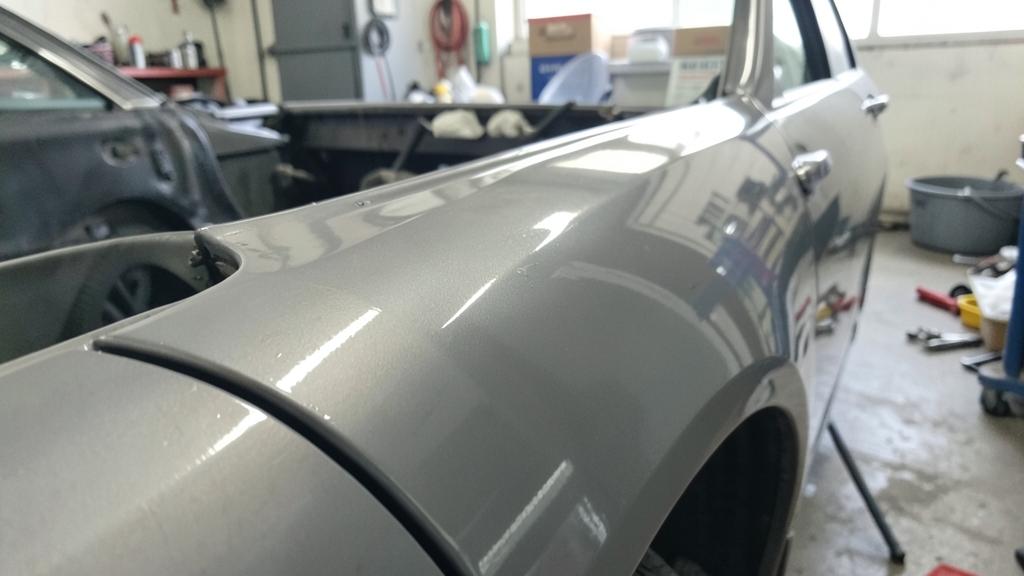
Seeing your once-beading ceramic coating now sheet water like plain clear coat is frustrating. In Houston’s humidity and heat, even premium nano-ceramic layers lose hydrophobicity over time. The good news: our team can diagnose the root cause and restore performance without a full reapplication.
What Hydrophobic Beading Actually Tells You
Beading isn’t just for looks—it’s a direct indicator of your coating’s active hydrophobic layer. When water forms tight, high-contact-angle beads, the SiO2 matrix is intact and repelling contaminants effectively.
As beading weakens, water sheets or leaves spots, signaling degraded cross-linking or surface contamination. This is common after 18–24 months in Houston’s UV-heavy climate, even with top-tier products.
True hydrophobicity resists more than water—oils, bird droppings, and road grime should bead too. If only water beads, your coating is partially compromised.
Top 5 Reasons Your Coating Lost Its Bead in Houston
Harsh soaps, automatic car washes with abrasive brushes, or high-pH cleaners strip the top layer of the ceramic matrix, breaking the hydrophobic bond.
Industrial fallout and rail dust embed in the coating’s pores. Houston’s proximity to the Ship Channel means iron particles oxidize on surfaces, creating microscopic pits that disrupt beading.
UV oxidation accelerates in our long, hot summers. Without regular maintenance, the coating’s flash point degrades, reducing water contact angle over time.
Hard water minerals and improper drying leave etches. Houston’s tap water is notorious for calcium and magnesium deposits that etch into the coating, flattening the surface.
Thin or uneven application from the start shortens lifespan. If the initial layers weren’t 2–4 microns thick, the coating lacks the depth to sustain hydrophobicity through Houston’s extremes.
Ceramic Coating Beading vs. Wax or Sealant Beading: Key Differences
Ceramic coatings create a permanent chemical bond with the paint, offering 2–5 years of hydrophobicity. Waxes and sealants sit on top, lasting weeks to months before washing away.
| Property | Ceramic Coating | Wax/Sealant |
|---|---|---|
| Duration | 2–5 years | 3–6 months |
| Water Contact Angle | 110°–120°+ | 80°–100° |
| Contaminant Resistance | High (chemical bond) | Low (surface layer) |
| Heat Resistance | Up to 1,200°F | Melts at 150–200°F |
| Maintenance Needs | pH-neutral washes, annual boosters | Reapply frequently |
Can You Restore Beading Without Reapplying the Coating?
Yes—if the coating isn’t fully degraded. A professional decontamination wash with iron-removing pre-spray, clay bar, and a pH-neutral shampoo can remove embedded particles restoring 60–80% of original beading.
For deeper issues, a light polish with a fine abrasive (3,000+ grit) can remove the top 0.5–1 micron of damaged coating, exposing fresh hydrophobic layers. This works best on coatings under 3 years old.
If the coating is older or heavily oxidized, a ceramic booster spray or top-up layer can rejuvenate hydrophobicity for 6–12 months. Our team often pairs this with Paint Correction & Polishing for optimal results.
Avoid DIY machine polishing if you’re unsure. Over-polishing can burn through the coating entirely, leaving paint exposed. Always test a small area first.
Step-by-Step: How Our Team Revives Beading in Houston’s Climate
We start with a thorough inspection under LED lighting to assess beading, swirl marks, and contamination. Houston’s humidity often hides water spots that only appear under direct light.
Next, we perform a two-stage decontamination: chemical (iron remover, tar dissolvent) followed by physical (clay bar or clay mitt). This removes bonded contaminants without damaging the coating.
When to Consider a Full Reapplication
If beading doesn’t improve after decontamination and polishing, the coating’s cross-linked structure is likely broken down. In Houston, coatings typically last 2–3 years before needing replacement.
Signs it’s time: water sheets instead of beads, increased water spotting, or visible hazing. For vehicles in Pasadena or near the Ship Channel, industrial fallout may accelerate this timeline.
A full reapplication starts with Paint Correction & Polishing to remove defects, followed by a new ceramic base layer and 1–2 top coats. For maximum durability, we recommend pairing with Paint Protection Film on high-impact areas.
Reapplication Readiness Check
- Coating is over 3 years old
- Beading is absent even after decontamination
- Visible swirls, etches, or oxidation in the paint
- Vehicle is exposed to harsh conditions (e.g., Katy’s construction dust, The Woodlands’ tree sap)
Maintenance Tips to Extend Beading Life in Houston
Wash weekly with a pH-neutral shampoo and the two-bucket method. Houston’s pollen and dust can build up quickly, especially in spring and fall.
Use a ceramic-safe quick detailer spray after washes to refresh hydrophobicity. Avoid products with silicones or fillers, which can clog the coating’s pores.
Park in a garage or under a cover to minimize UV and heat exposure. In Sugar Land or Pearland, where shade is limited, consider a carport or UV-reflective window tint.
Apply a ceramic booster every 6 months. These SiO2-rich sprays replenish the hydrophobic layer without requiring full reapplication.
How to Test Your Coating’s Beading at Home
A simple water test can reveal your coating’s health in seconds.
- 1Clean the Surface
Wash and dry a small section of your vehicle, like the hood or roof, to remove loose contaminants.
- 2Apply Water
Use a spray bottle to mist a few drops of water onto the clean surface. Avoid hard water if possible.
- 3Observe the Beads
Healthy ceramic coatings will form tight, rounded beads. If water sheets or flattens, the coating is compromised.
- 4Check for Sheeting
If water runs off in sheets instead of beads, the hydrophobic layer is likely gone. This is common in older or poorly maintained coatings.
- 5Test Multiple Areas
Compare beading on horizontal (hood, roof) and vertical (doors, fenders) surfaces. Inconsistencies may indicate uneven application or wear.
Frequently Asked Questions
How long does it take for beading to return after a ceramic coating application in Ceramic Coating Houston?
Full hydrophobicity develops within 24–48 hours as the coating cures. In Houston’s humidity, we recommend waiting 72 hours before exposing the vehicle to rain or car washes to ensure complete cross-linking.
Can hard water spots permanently damage my ceramic coating?
Yes, if left untreated. Mineral deposits etch the coating’s surface, reducing beading and clarity. Regular decontamination washes and using filtered water for final rinses can prevent this.
Is beading the only sign of a healthy ceramic coating?
No—beading is a key indicator, but you should also check for gloss retention, ease of cleaning, and resistance to contaminants like bird droppings or bug splatter. A coating can bead water but still struggle with oils or tar.
Why does my coating bead less in Houston’s summer months?
High temperatures and UV exposure accelerate the breakdown of the coating’s top layer. Additionally, humidity can cause water to sheet instead of bead, even on healthy coatings. Regular maintenance helps counteract this.
Do ceramic coatings on wheels or brake calipers bead differently than on paint?
Yes. Wheel and brake caliper coatings face higher heat and brake dust contamination, which can degrade hydrophobicity faster. These areas often require more frequent cleaning and booster applications to maintain beading.
Can I apply a ceramic booster myself, or should I leave it to professionals in Ceramic Coating Houston?
You can apply a booster yourself if you follow the instructions carefully. However, for best results—especially on older coatings—our team recommends a professional decontamination wash first to ensure the booster bonds properly.