The Heat Is On: Why Ceramic Coating Outlasts Wax in Texas Summers in Ceramic Coating Houston
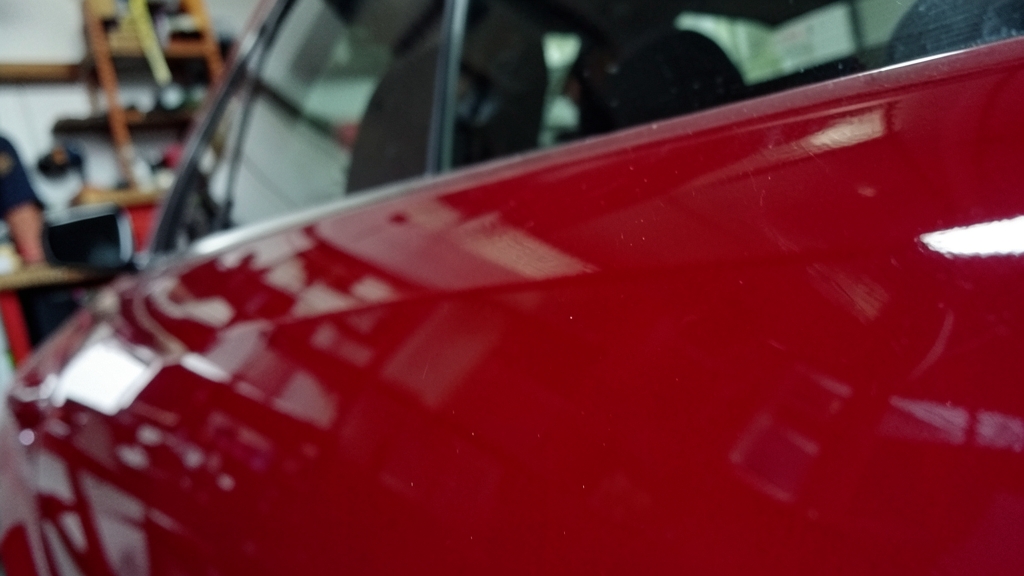
Houston summers are relentless—UV rays bake paint, humidity fuels oxidation, and road grime sticks like glue. Wax fades in weeks, but a professional ceramic coating locks in protection for years. We’ll break down why our team trusts nano-ceramic tech over wax for Texas heat.
Wax Fails Fast Under Texas Sun
Carnauba and synthetic waxes offer a deep, warm shine, but their organic or polymer bases break down under intense UV exposure. In Houston, that means reapplying every 4-8 weeks just to maintain basic protection.
Wax sits on the surface, so it can’t resist etching from bird droppings, tree sap, or the alkaline dust common near construction zones in Pasadena and Katy. One hot afternoon can leave permanent stains.
Houston’s humidity accelerates paint oxidation. Wax slows it but doesn’t stop it—ceramic coatings chemically bond to create a sacrificial barrier that blocks UV and pollutants at the molecular level.
How Ceramic Coatings Defy the Heat
Our ceramic coatings use SiO2 (silicon dioxide) nanoparticles that form a covalent bond with your clear coat. This creates a hydrophobic layer that repels water, dirt, and contaminants far longer than wax ever could.
The coating’s hardness (9H on the pencil scale) resists swirl marks from automatic car washes and micro-scratches from road debris. In Sugar Land and The Woodlands, where dust and pollen are constant, this means less frequent detailing.
Longevity: Ceramic Coating vs. Wax Side by Side
A single application of a professional-grade ceramic coating lasts 2-5 years, depending on maintenance and environmental exposure. Wax? You’re lucky to get 3 months in Houston’s climate.
| Feature | Ceramic Coating | Carnauba Wax | Synthetic Wax |
|---|---|---|---|
| Durability | 2-5 years | 4-8 weeks | 3-6 months |
| UV Protection | Excellent (blocks 99%+) | Minimal | Moderate |
| Hydrophobicity | Extreme (beading >120°) | Good (60-80°) | Moderate (80-100°) |
| Heat Resistance | Up to 1,800°F | Melts at ~180°F | Melts at ~200°F |
| Chemical Resistance | High (pH 2-12) | Low | Moderate |
| Gloss Enhancement | Deep, mirror-like | Warm, natural | Synthetic shine |
Houston-Specific Threats Ceramic Coatings Neutralize
Salt air from the Gulf, common in Pearland and near the Ship Channel, corrodes unprotected paint. Ceramic coatings create a non-porous barrier that salt and moisture can’t penetrate.
Industrial fallout and brake dust from I-10 or I-45 stick to waxed surfaces, embedding into the paint. Coatings prevent this bonding, so contaminants rinse off with a pressure washer or foam cannon.
For maximum adhesion, we always start with paint correction to remove swirls, oxidation, and imperfections. Skipping this step in Houston’s climate shortens the coating’s lifespan.
Maintenance: Less Work, Better Results
With a ceramic coating, your wash routine becomes simpler. Dirt and grime slide off, reducing the need for harsh chemicals or clay bars. A pH-neutral shampoo and microfiber towels keep the finish pristine.
Waxed cars require frequent reapplication and careful drying to prevent water spots. In Houston’s hard water areas, this is a losing battle. Coatings minimize spotting and make drying effortless.
Ceramic Coatings Pair Perfectly with Other Protections
For ultimate defense, we often combine ceramic coatings with paint protection film (PPF) on high-impact areas like hoods and bumpers. PPF absorbs rocks and scratches, while the coating adds hydrophobicity and gloss.
Interior ceramic protection shields dashboards and leather from UV fading, a must for Houston drivers. Wheel and brake caliper coatings resist brake dust and road salt, keeping your rims looking new longer.
Full-Vehicle Protection Checklist
- Exterior ceramic coating for paint and glass
- PPF on front bumper, hood, and fenders
- Ceramic window tint for UV and heat rejection
- Wheel and brake caliper ceramic coating
- Interior ceramic protection for dash and seats
The Investment: Factors That Influence Cost
Ceramic coating costs vary based on vehicle size, paint condition, and the number of layers applied. A single-layer coating on a sedan is less intensive than a multi-layer application on an SUV with heavy oxidation.
Add-ons like paint correction, PPF, or wheel coatings increase the upfront investment but extend the life of your vehicle’s finish. For an exact quote, request a consultation—we’ll tailor a package to your needs and budget.
How to Maintain Your Ceramic Coating in Houston’s Climate
Follow these steps to maximize the lifespan and performance of your ceramic coating.
- 1Wash Regularly with pH-Neutral Shampoo
Use a high-quality, pH-neutral car shampoo and a microfiber wash mitt to avoid scratching. Avoid automatic car washes with harsh brushes.
- 2Dry Thoroughly to Prevent Water Spots
Houston’s hard water leaves mineral deposits. Dry with a clean microfiber towel or use a blower to prevent spots.
- 3Apply a Ceramic Boost Spray Every 3-6 Months
A SiO2 spray refresher enhances hydrophobicity and gloss between professional re-applications. This is especially useful after harsh summers.
- 4Remove Contaminants Immediately
Bird droppings, tree sap, and bug splatter can etch into the coating if left too long. Use a dedicated detailer spray and microfiber cloth to clean them off ASAP.
- 5Avoid Harsh Chemicals
Never use dish soap, degreasers, or wax-based products on a ceramic-coated surface. These can degrade the coating’s performance over time.
- 6Park in the Shade or Use a Cover
Prolonged sun exposure accelerates wear. Whenever possible, park in a garage or use a car cover to protect your coating from UV rays and heat.
Frequently Asked Questions
Does ceramic coating make my car completely scratch-proof?
No coating is 100% scratch-proof, but a quality ceramic coating significantly resists light scratches and swirl marks. For heavy protection against rocks and debris, we recommend pairing it with paint protection film (PPF) on high-impact areas.
How does Houston’s humidity affect ceramic coatings?
Humidity alone doesn’t harm ceramic coatings—in fact, they excel in moist climates by repelling water and preventing oxidation. However, proper prep (like paint correction) is critical in humid areas to ensure the coating bonds correctly.
Can I apply ceramic coating over existing wax or sealant?
No. Wax or sealant residues prevent the ceramic coating from bonding to the paint. We always remove all previous products through a thorough decontamination and paint correction process before applying a coating.
Is ceramic coating worth it for older cars in Ceramic Coating Houston?
Absolutely. Older cars often benefit the most from ceramic coatings, as they protect faded or oxidized paint from further damage. We’ll assess your paint’s condition first—sometimes a light polish is all that’s needed before coating.
Will ceramic coating prevent water spots in Houston?
Ceramic coatings drastically reduce water spots by repelling minerals and causing water to bead off quickly. However, in areas with extremely hard water, it’s still best to dry your car promptly after rain or washes.
How soon can I drive my car after a ceramic coating application?
You can drive immediately, but we recommend avoiding rain, car washes, or exposure to moisture for 12-24 hours. Full curing takes 7-14 days, during which you should avoid harsh chemicals or automatic car washes.