When to Walk Away: Signs Your Car Isn’t Ready for Ceramic Coating in Houston in Ceramic Coating Houston, TX
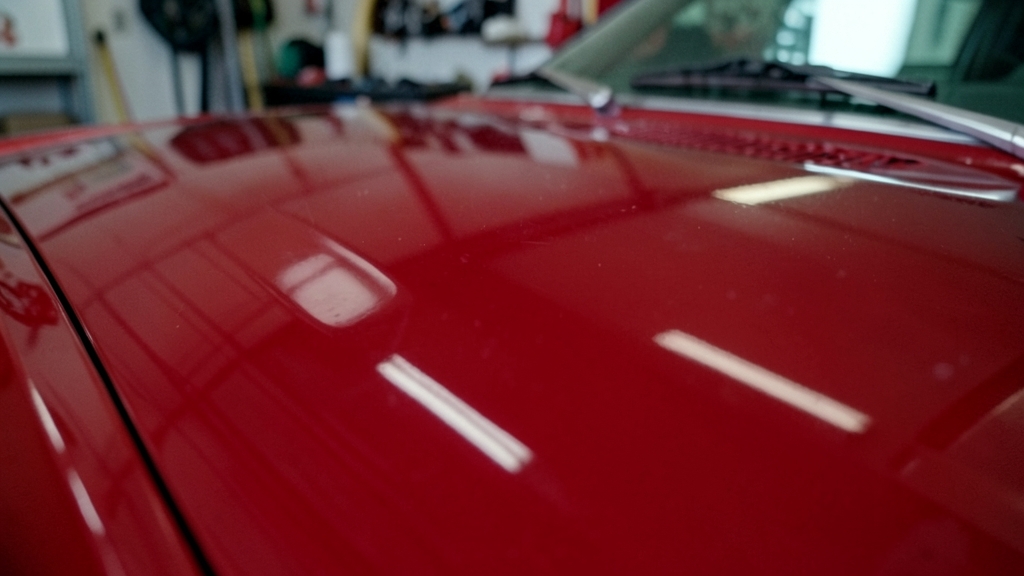
Ceramic coating delivers unmatched gloss and protection, but it’s not a magic fix. Our team sees too many Houston drivers waste time and money coating cars that simply aren’t ready. Here’s how to spot the deal-breakers before you commit.
Severe Paint Damage Is a Non-Starter
Deep scratches that catch your fingernail or expose bare metal won’t disappear under ceramic coating. These defects need paint correction or even repainting first.
Ceramic coatings bond to the clear coat, not fill imperfections. Attempting to coat over severe damage locks in flaws and wastes premium product.
Oxidation and Fading Mean Poor Adhesion
Houston’s brutal sun accelerates oxidation, leaving paint chalky and dull. A coating applied over oxidized surfaces will fail prematurely.
Heavy oxidation often signals compromised clear coat integrity. We always measure paint thickness and test adhesion before proceeding.
If your car’s paint looks matte or ashy, it’s oxidized. Coating it as-is can lead to peeling and poor longevity.
Peeling or Delaminating Clear Coat
Clear coat failure is common on older vehicles, especially in high-UV areas like Houston. Coating over peeling clear coat is like building a house on sand.
If the clear coat lifts when you apply painter’s tape, walk away. The substrate must be stable for the ceramic to adhere properly.
Contamination That Won’t Budge
Embedded iron particles, industrial fallout, or overspray can’t be removed with a basic wash. These contaminants prevent proper bonding.
We use a clay bar and iron remover to decontaminate paint. If contaminants persist after multiple passes, the surface isn’t ready.
Pre-Coating Decontamination Check
- Clay bar the entire vehicle
- Use iron remover spray to dissolve brake dust
- Inspect for overspray or tar spots
- Perform a water spot test (water should sheet evenly)
Water Spots and Etching
Houston’s hard water leaves mineral deposits that etch into paint. Light etching can sometimes be polished out, but deep etching requires repainting.
If water spots remain visible after a thorough polishing, they’ll be permanently trapped under the coating. Prevention is easier than correction.
Paint Correction: The Critical First Step
90% of cars need paint correction before ceramic coating. Swirl marks, holograms, and light scratches must be addressed for a flawless finish.
Our team in Pasadena, Sugar Land, and Pearland often combines paint correction with coating for optimal results. Skipping this step compromises the final look.
| Issue | Paint Correction Fixes It? | Ceramic Coating Fixes It? |
|---|---|---|
| Swirl marks | Yes | No |
| Light scratches | Yes | No |
| Deep scratches | Sometimes (if not through clear coat) | No |
| Oxidation | Yes (if not severe) | No |
| Water spots/etching | Sometimes (if not deep) | No |
| UV protection | No | Yes |
| Gloss enhancement | Yes | Yes |
| Contaminant resistance | No | Yes |
Single-Stage Paint Requires Extra Caution
Older cars with single-stage paint lack a clear coat layer. Ceramic coatings can be applied, but adhesion and longevity may be reduced.
We often recommend Paint Protection Film (PPF) for single-stage paint in The Woodlands or Katy, as it provides a physical barrier against chips and scratches.
Use a paint thickness gauge to confirm you’re working with multi-stage paint. Single-stage requires specialized prep.
Extreme Heat and Humidity Timing
Houston’s humidity and heat can affect curing. We avoid applying coatings when temps exceed 90°F or humidity is above 70%.
Ideal conditions are 60-80°F with 40-60% humidity. Early morning or late evening slots in summer are often best for fleet or commercial vehicle coating projects.
How to Inspect Your Car Before Ceramic Coating
A thorough pre-inspection saves time, money, and disappointment.
- 1Wash and Dry Thoroughly
Use a pH-neutral car shampoo and microfiber towels to remove surface dirt. This reveals underlying issues.
- 2Check for Contaminants
Run your hand over the paint in a plastic bag. If it feels rough, contamination is present.
- 3Inspect for Paint Damage
Look for deep scratches, chips, or peeling clear coat under direct light. Note their severity.
- 4Test Paint Adhesion
Apply painter’s tape to a small area, then remove it. If clear coat comes off, the paint isn’t stable.
- 5Assess Oxidation Levels
If the paint looks dull or chalky, it’s oxidized. A light polish test will confirm if it can be restored.
- 6Measure Paint Thickness
Use a paint meter to ensure there’s enough clear coat for the ceramic to bond to. Thin paint may need PPF instead.
Frequently Asked Questions
Can I ceramic coat a car with existing PPF in Houston?
Yes, but the PPF must be in excellent condition. We clean and prep the film thoroughly, as coatings adhere differently to PPF than to paint. Some areas like wheel ceramic coating or interior ceramic protection may still be ideal even if PPF is present.
How do I know if my car’s paint is too far gone for ceramic coating?
If you see bare metal, deep rust, or clear coat peeling larger than a dime, it’s likely not a candidate. A professional assessment in Ceramic Coating Houston can confirm whether paint correction or repainting is needed first.
Will ceramic coating fix my headlight haze?
No, but we offer headlight restoration and coating as a separate service. Yellowed or oxidized headlights need restoration before any protective coating can be applied effectively.
Is ceramic window tint the same as ceramic coating?
No. Ceramic window tint is a film applied to glass for heat rejection and UV protection. Ceramic coating is a liquid polymer applied to paint for protection and gloss. Both are valuable but serve different purposes.
Can I apply ceramic coating myself, or should I hire a pro in Houston?
DIY kits exist, but professional application ensures proper prep, even coverage, and longevity. Mistakes like improper decontamination or uneven application can ruin the finish and waste product.
How long should I wait after paint correction to apply ceramic coating?
Typically 24-48 hours, but it depends on the products used. Some paint correction compounds need time to fully cure before coating. Always follow the manufacturer’s guidelines or consult your local expert.