How to Remove and Prevent Iron Contaminants on Your Ceramic Coating in Houston in Ceramic Coating Houston, TX
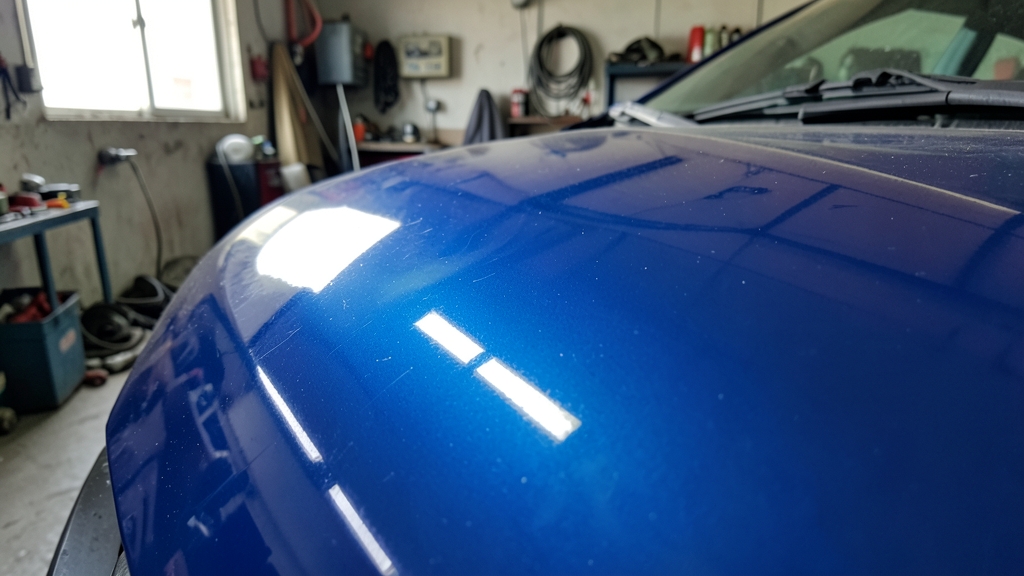
Iron contaminants are the silent enemy of ceramic coatings, embedding into surfaces and causing rust spots or reduced hydrophobicity. In Houston’s humid, industrial-heavy environment, these particles cling faster and harder. We’ll show you how to remove them safely and keep your coating pristine.
What Are Iron Contaminants and Why Do They Stick to Ceramic Coatings?
Iron contaminants are microscopic particles from brake dust, rail dust, and industrial fallout. They’re magnetic and bond to your vehicle’s finish, even over a ceramic coating.
In Houston, proximity to railroads, ports, and heavy traffic accelerates iron buildup. These particles oxidize, creating rust spots that etch into clear coats if left untreated.
Signs Your Ceramic Coating Has Iron Contamination
Look for tiny orange or brown specks on the surface, especially near wheel wells or lower panels. These are early signs of embedded iron.
Roughness under your fingers, even after a wash, is another red flag. Iron particles create a gritty texture that diminishes the coating’s slickness.
Abrasive tools or harsh compounds can scratch the ceramic coating. Always use pH-neutral cleaners and soft microfiber towels first.
Step-by-Step Iron Decontamination for Ceramic Coatings
Start with a thorough wash using a pH-neutral car shampoo to remove surface dirt. This prevents scratching during decontamination.
Apply an iron-removing spray (like P&S Brake Buster or CarPro Iron X) to the affected areas. The product will turn purple as it dissolves iron particles.
For stubborn contamination, use a dedicated iron-removal clay bar or clay mitt. Lubricate the surface with detailer spray to avoid marring the coating.
Tools and Products You’ll Need
A high-quality iron remover is non-negotiable. Avoid cheap knockoffs—they may leave residue or fail to fully dissolve contaminants.
Invest in a set of microfiber applicator pads and a clay bar with a dedicated lubricant. These minimize the risk of swirl marks on your coating.
| Tool/Product | Purpose | Ceramic-Safe? |
|---|---|---|
| Iron Remover Spray | Dissolves embedded iron particles | Yes (pH-balanced formulas) |
| Clay Bar/Mitt | Physically lifts contaminants | Yes (with lubricant) |
| pH-Neutral Shampoo | Pre-wash to remove surface dirt | Yes |
| Detailer Spray | Lubrication for clay process | Yes |
| Microfiber Towels | Drying and buffing | Yes |
Preventing Future Iron Contamination in Houston
Regular washing is your first line of defense. Houston’s humidity speeds up oxidation, so aim for a wash every 1-2 weeks.
Apply a ceramic boost spray (like Gyeon Ceramic Coating Maintenance Spray) after washes to replenish hydrophobic properties and repel contaminants.
For wheels and brake calipers—hotspots for iron—consider a dedicated wheel ceramic coating. This adds an extra layer of protection against brake dust.
Avoid parking near railroads or industrial areas in Pasadena or the Ship Channel. Even a ceramic coating can’t fully shield against heavy fallout.
When to Call a Professional for Ceramic Coating Maintenance
If iron contamination is widespread or has caused etching, professional paint correction may be needed before reapplying ceramic protection.
For vehicles in Katy, The Woodlands, or Sugar Land with heavy exposure, our team offers full-vehicle decontamination and ceramic coating touch-ups to restore performance.
Ceramic Coating vs. Paint Protection Film (PPF) for Iron Defense
Ceramic coatings excel at repelling water and contaminants but aren’t impervious to iron embedding. PPF, on the other hand, physically blocks particles.
Many Houston drivers combine both: PPF on high-impact areas (hood, bumper) and ceramic coating on the rest for a balanced approach.
How to Safely Remove Iron Contaminants from Ceramic Coating
Follow these steps to decontaminate your coating without damaging it.
- 1Pre-Wash
Rinse the vehicle with a foam cannon or pressure washer to remove loose dirt. Use a pH-neutral shampoo for the contact wash.
- 2Apply Iron Remover
Spray an iron-removing product onto dry panels. Let it dwell for 2-5 minutes until it turns purple, indicating dissolved iron.
- 3Clay Bar Treatment
Use a clay bar with lubricant to gently lift remaining contaminants. Work in small sections and rinse frequently.
- 4Rinse and Dry
Thoroughly rinse the vehicle, then dry with a clean microfiber towel. Avoid letting water spots dry on the coating.
- 5Inspect and Seal
Check for missed spots. Apply a ceramic boost spray to restore hydrophobicity and protection.
Frequently Asked Questions
Can iron contaminants damage my ceramic coating in Houston?
Yes, if left untreated. Iron particles oxidize and can etch into the clear coat beneath the ceramic layer, compromising its integrity. Regular decontamination prevents this.
How often should I decontaminate my ceramic coating?
In Houston’s climate, we recommend a full decontamination every 6-12 months, or more often if you drive near industrial areas or railroads in Pearland or Pasadena.
Is an iron remover safe for all ceramic coatings?
Most pH-balanced iron removers are safe, but always test on a small area first. Avoid acidic or alkaline products, as they can degrade the coating over time.
Can I use a clay bar on ceramic-coated wheels?
Yes, but use a dedicated wheel clay bar and lubricant. Wheels accumulate heavy brake dust, so a wheel-specific ceramic coating can provide extra protection.
How can you maintain ceramic coating in Houston’s humidity?
Regular washing, decontamination, and ceramic boost sprays are key. Humidity accelerates contaminant bonding, so stay proactive with maintenance.
Do I need paint correction before applying a new ceramic coating?
If iron contamination has caused etching or swirl marks, yes. Paint correction ensures a smooth surface for the new coating to bond properly. Request a quote for an assessment.