PPF or Ceramic Coating? A Houston Expert’s Guide to Choosing the Right Protection in Ceramic Coating Houston, TX
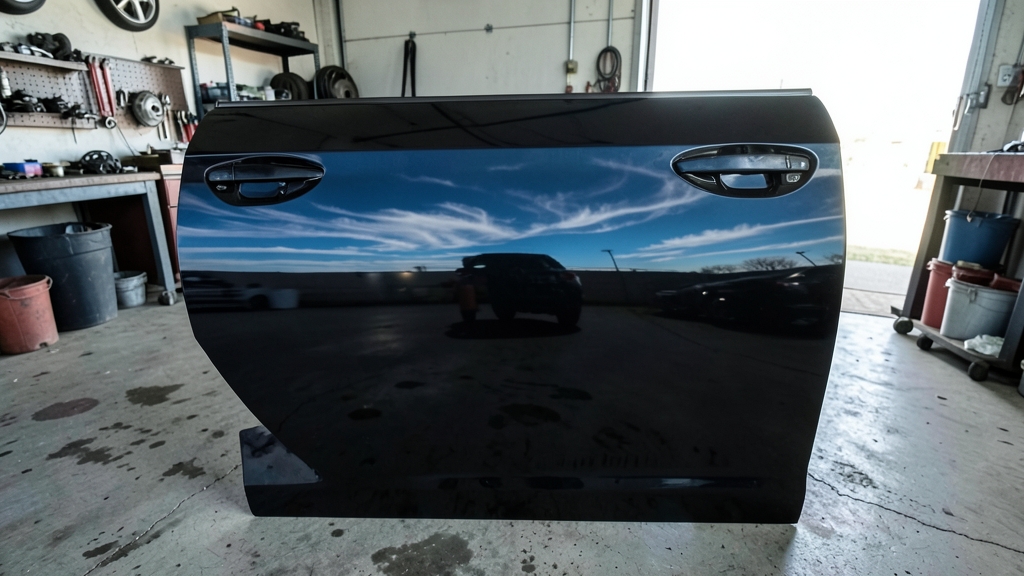
Houston’s brutal sun, sudden hail, and road debris put your paint to the test daily. Choosing between Paint Protection Film (PPF) and ceramic coating isn’t just about cost—it’s about matching the right defense to how you drive and what you value most.
Why Houston Drivers Need More Than Wax
Our humidity and UV index accelerate paint oxidation, fading, and water spotting. Wax or sealants wash away in weeks; PPF and ceramic coatings are engineered to last years.
From the salt air near Galveston Bay to the construction zones in Katy, your finish faces constant threats. A bare clear coat won’t cut it.
PPF vs. Ceramic Coating: Core Differences
Paint Protection Film is a thick, self-healing urethane layer applied to high-impact areas. It absorbs rock chips, scratches, and bug splatter without damaging your paint.
Ceramic coating is a liquid nano-polymer that bonds to your clear coat, creating a hydrophobic, UV-resistant shell. It enhances gloss and repels contaminants but doesn’t stop impacts.
| Feature | Paint Protection Film (PPF) | Ceramic Coating |
|---|---|---|
| Primary Defense | Physical barrier (impact/abrasion) | Chemical barrier (UV/contaminants) |
| Self-Healing | Yes (minor scratches) | Limited (swirl marks only) |
| Gloss Enhancement | Minimal (matte or satin options available) | High (deep, mirror-like shine) |
| Longevity | 5–10 years | 2–5 years |
| Maintenance | Low (wash as usual) | Low (requires pH-neutral soaps) |
| Installation Time | 1–3 days (full vehicle) | 1–2 days (full vehicle) |
| Ideal For | Rocker panels, hoods, bumpers | Entire vehicle, wheels, glass |
Where Each Protection Shines in Houston
PPF is non-negotiable for front-end protection in areas like The Woodlands, where highway debris is common. It’s also a smart add-on for fleet vehicles in Pasadena or Sugar Land.
Ceramic coating excels on full vehicles in Pearland or Katy, where owners prioritize deep gloss and easier washing. It’s also ideal for wheels and brake calipers, which take a beating from brake dust.
Apply PPF to high-impact zones, then ceramic coat the entire vehicle. The coating’s hydrophobicity keeps the PPF cleaner, while the film shields against chips.
How Houston’s Climate Affects Your Choice
Our extreme heat causes clear coat delamination on older vehicles. Ceramic coatings block 99% of UV rays, slowing this process significantly.
Hail is a real risk, especially in spring. PPF won’t stop dents from golf-ball-sized hail, but it prevents paint cracks from smaller stones.
Humidity leads to water spotting. Ceramic coatings bead water so tightly that minerals can’t etch into the paint as easily.
The Role of Paint Correction Before Protection
Neither PPF nor ceramic coating hides swirls, scratches, or oxidation. Our team always recommends paint correction first to ensure a flawless base.
This step is critical for darker vehicles, where imperfections are more visible. In Houston’s bright sunlight, even minor defects stand out.
Applying PPF or ceramic coating over damaged paint locks in imperfections. Correction adds time and cost but ensures a showroom finish.
Maintenance: Keeping Your Protection at Its Best
PPF requires no special care—just regular washing. Avoid high-pressure sprays on edges to prevent peeling over time.
Ceramic coatings need pH-neutral shampoos to preserve the hydrophobic layer. Automatic car washes with harsh brushes can degrade the coating faster.
Both benefit from annual inspections. In Houston’s climate, contaminants like tree sap or industrial fallout can require spot treatments.
Ceramic Coating Care Essentials
- Wash with pH-neutral soap every 2 weeks
- Use a microfiber wash mitt to avoid micro-scratches
- Dry with a clean microfiber towel to prevent water spots
- Apply a ceramic-boosting spray every 3–6 months
- Avoid wax or sealants (they can interfere with bonding)
Cost Factors: What Drives the Price?
PPF pricing varies by coverage area (full front vs. full vehicle) and film quality. High-end films with stronger self-healing properties cost more but last longer.
Ceramic coating costs depend on the number of layers, the product tier (consumer vs. professional-grade), and vehicle size. Larger SUVs or trucks require more product and labor.
Paint correction adds to the upfront cost but extends the life of your protection. Request a quote to see how these factors apply to your vehicle.
Beyond Paint: Other Surfaces That Benefit
Ceramic coatings aren’t just for paint. We apply them to wheels and brake calipers to resist brake dust and high heat, common issues for Houston daily drivers.
Interior ceramic protection shields dashboards and leather from UV fading and stains. For commercial fleets in areas like Sugar Land or Pearland, this reduces long-term upkeep costs.
Headlight restoration paired with a ceramic coating prevents yellowing and maintains brightness—critical for safety in our frequent rainstorms.
While PPF can protect headlights, it may reduce light output. Ceramic coating is the better choice for clarity and longevity on lenses.
How to Decide Between PPF and Ceramic Coating
Use this step-by-step guide to match your needs to the right protection.
- 1Assess Your Driving Habits
Frequent highway driving or off-road use? PPF is essential for front-end protection. Mostly city driving? Ceramic coating may suffice.
- 2Evaluate Your Paint’s Condition
If your paint has swirls, scratches, or oxidation, start with paint correction. Both PPF and ceramic coatings require a smooth surface.
- 3Prioritize Your Goals
Want maximum gloss and ease of cleaning? Ceramic coating wins. Need defense against rock chips and scratches? PPF is the answer.
- 4Consider Your Budget and Timeline
PPF is a larger upfront investment but lasts longer. Ceramic coating is more affordable for full-vehicle coverage but needs reapplication sooner.
- 5Think Long-Term
For a balanced solution, combine PPF on high-impact areas with a ceramic coating over the entire vehicle. This hybrid approach maximizes protection and aesthetics.
Frequently Asked Questions
Can I apply ceramic coating over existing PPF?
Yes, and we recommend it. The ceramic coating adds hydrophobicity and UV protection, making the PPF easier to clean and extending its lifespan. Just ensure the PPF is fully cured first.
How long does ceramic coating last in Houston’s climate?
Professional-grade ceramic coatings typically last 3–5 years with proper maintenance. Houston’s UV exposure and heat can shorten this slightly, so annual inspections help.
Does PPF yellow over time?
Older or low-quality PPF can yellow, especially in Houston’s intense sunlight. Modern high-grade films include UV inhibitors to prevent this. We use premium films to avoid this issue.
Is ceramic coating worth it for a daily driver in Katy or The Woodlands?
Absolutely. Daily drivers benefit from easier washing, better UV protection, and a glossier finish. The time saved on maintenance often justifies the cost.
Can I remove PPF or ceramic coating later?
PPF can be carefully peeled off, though it may leave adhesive residue requiring professional cleanup. Ceramic coatings can’t be ‘removed’—they wear off over time or require polishing to strip them.
Do you offer ceramic coating for fleet vehicles in Pasadena or Sugar Land?
Yes. Fleet vehicles see heavy use, and ceramic coatings reduce wash time and protect against contaminants like road salt and industrial fallout. PPF is also popular for high-impact areas on commercial trucks.