Maximizing Your Ceramic Coating’s Lifespan: Pro Tips for Houston Drivers in Ceramic Coating Houston
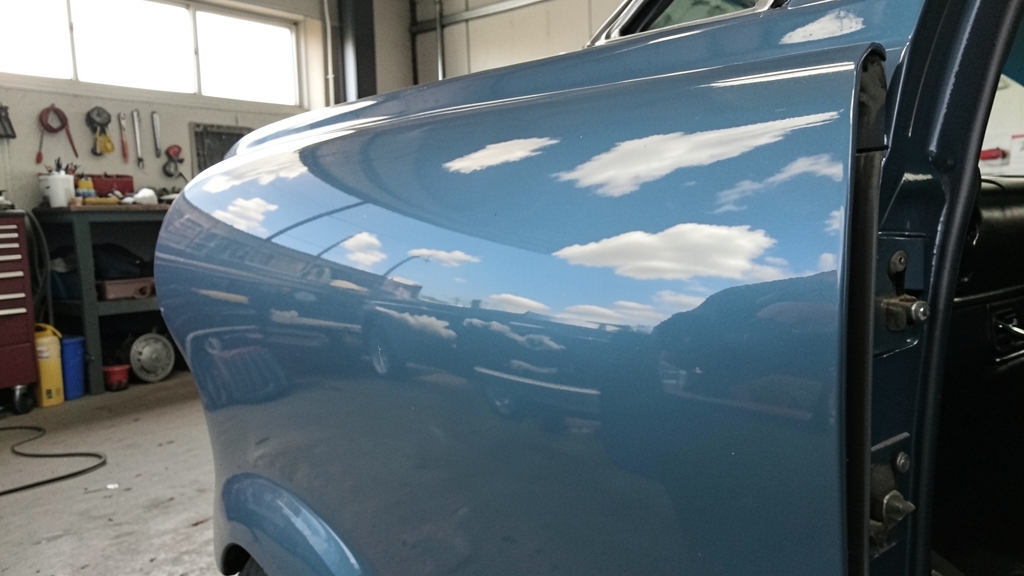
Houston’s brutal sun, humidity, and road grime can cut a ceramic coating’s life short if you don’t adapt your care routine. We’ve applied and maintained thousands of coatings in this climate—here’s how to keep yours performing like new. The key is consistency, not luck.
Why Houston’s Climate Demands Extra Ceramic Coating Care
Our relentless UV index accelerates oxidation and breaks down lesser coatings faster than in milder regions. A high-quality ceramic coating acts as a sacrificial barrier, but even a top-tier one needs reinforcement.
Humidity and pollen in spring, plus summer’s 100°F+ pavement temps, create a perfect storm for contamination. Without proper upkeep, your coating’s hydrophobic layer weakens, reducing bead behavior and gloss.
The 3 Biggest Threats to Your Ceramic Coating in Texas Heat
Bird droppings and bug splatter are highly acidic. Left for 24–48 hours, they etch through the coating’s top layer, leaving permanent stains. Immediate removal is non-negotiable here.
Iron particles from brake dust and rail dust bond to the surface, creating rust spots. These require iron-remover sprays, not just soap, to dissolve safely without scratching.
Automatic car washes with harsh brushes or high-pH detergents strip protective layers. Stick to touchless or hand-wash methods with pH-neutral products.
Never use dish soap, degreasers, or wax-based products on a ceramic coating. These break down the silicon dioxide matrix and leave residue that dulls the finish.
Ceramic Coating vs. Wax vs. Sealant: Longevity in Houston’s Conditions
Traditional carnauba wax lasts 4–8 weeks in our climate, offering minimal UV protection. Synthetic sealants push that to 4–6 months but still can’t match ceramic’s durability.
A professional-grade ceramic coating bonds chemically to the clear coat, resisting heat, chemicals, and minor scratches for 2–5 years. It’s the only option that maintains gloss and hydrophobicity long-term.
| Product | Lifespan | UV Resistance | Hydrophobicity |
|---|---|---|---|
| Carnauba Wax | 4–8 weeks | Low | Moderate |
| Synthetic Sealant | 4–6 months | Moderate | Good |
| Professional Ceramic Coating | 2–5 years | High | Excellent |
| Paint Protection Film (PPF) | 5–10 years | Very High | Very High |
The Non-Negotiable Maintenance Routine for Houston Drivers
Wash your vehicle every 1–2 weeks using the two-bucket method: one for soap, one for rinsing your mitt. This prevents swirl marks from trapped grit.
Use a pH-neutral automotive shampoo and a high-quality microfiber wash mitt. Grit guards in your buckets are a small investment that saves your coating from micro-scratches.
Dry with a plush microfiber towel, not a chamois. Pat, don’t drag, to avoid marring. For extra protection, apply a ceramic booster spray every 3–4 months to refresh hydrophobicity.
Weekly Wash Essentials
- Two buckets with grit guards
- pH-neutral car shampoo
- High-pile microfiber wash mitt
- Separate microfiber drying towels
- Iron remover spray (monthly)
- Ceramic-safe quick detailer
Decontamination: The Secret to Long-Term Coating Performance
Even with regular washes, embedded contaminants like tar, tree sap, and industrial fallout build up. A clay bar or clay mitt used with lubricant lifts these particles without damaging the coating.
For heavy iron contamination, use an iron-remover spray. It turns purple as it dissolves brake dust—rinse thoroughly afterward. Do this every 2–3 months in Houston’s urban environment.
After decontamination, inspect the surface with a bright LED light at an angle. Any remaining roughness means more clay work is needed.
Seasonal Challenges: Adapting Your Care for Houston’s Extremes
Summer’s heat bakes contaminants into the coating. Park in shaded areas or use a car cover to reduce thermal stress. If parking outside, rinse the vehicle daily to remove fresh pollen and dust.
Winter’s rare freezes won’t damage the coating, but road salt from occasional icy conditions can. Rinse undercarriages and wheel wells immediately after exposure to prevent corrosion.
When to Call in the Pros: Paint Correction and Coating Refreshes
If swirl marks or water spots dull your finish, it’s time for paint correction before reapplying a ceramic layer. This step ensures the new coating bonds properly to a pristine surface.
For vehicles in Pasadena, Sugar Land, or Katy, we often combine paint correction with a fresh ceramic coating or PPF installation for maximum protection against local industrial pollutants.
How to Safely Remove Water Spots from a Ceramic Coating
Hard water spots can etch into the coating if left untreated, but they’re removable with the right approach.
- 1Rinse and Dry
Start by rinsing the vehicle to remove loose debris, then dry thoroughly with a microfiber towel.
- 2Apply Vinegar Solution
Mix equal parts white vinegar and distilled water. Spray onto the spots and let sit for 30–60 seconds.
- 3Agitate Gently
Use a soft microfiber cloth to lightly rub the spots in a circular motion. Avoid excessive pressure.
- 4Rinse and Inspect
Rinse the area and check for remaining spots. For stubborn mineral deposits, repeat or use a dedicated water spot remover.
- 5Apply Ceramic Booster
Once spots are gone, apply a ceramic detail spray to restore hydrophobicity and gloss.
Frequently Asked Questions
How often should I reapply ceramic coating in Ceramic Coating Houston?
With proper maintenance, a professional ceramic coating lasts 2–5 years here. Reapplication depends on exposure—daily-driven vehicles in The Woodlands or Pearland may need a refresh at 2–3 years due to higher mileage and contaminants.
Can I apply ceramic coating over existing wax or sealant?
No. Wax and sealants must be fully removed via decontamination and paint correction before applying ceramic coating. Skipping this step prevents proper bonding and reduces lifespan.
Does ceramic coating prevent rock chips?
Ceramic coatings add scratch resistance but won’t stop rock chips. For full protection against impacts, consider Paint Protection Film (PPF) on high-risk areas like the hood and bumper.
Is ceramic coating worth it for fleet vehicles in Houston?
Absolutely. Fleet vehicles in Katy or Sugar Land see heavy use and exposure. Ceramic coatings reduce wash time, protect resale value, and keep graphics or wraps looking sharp longer than traditional methods.
Will ceramic coating fade my vehicle’s paint?
Quite the opposite—it enhances and preserves the paint’s color by blocking UV rays that cause oxidation. Just ensure it’s applied over a corrected, defect-free surface for optimal results.
Can I use a pressure washer on a ceramic-coated car?
Yes, but keep the nozzle at least 18 inches away and use a 40° or wider spray pattern. High pressure or close range can lift the coating over time, especially around edges and trim.