Why Installer Certification Directly Impacts Your Ceramic Coating Quality in Ceramic Coating Houston
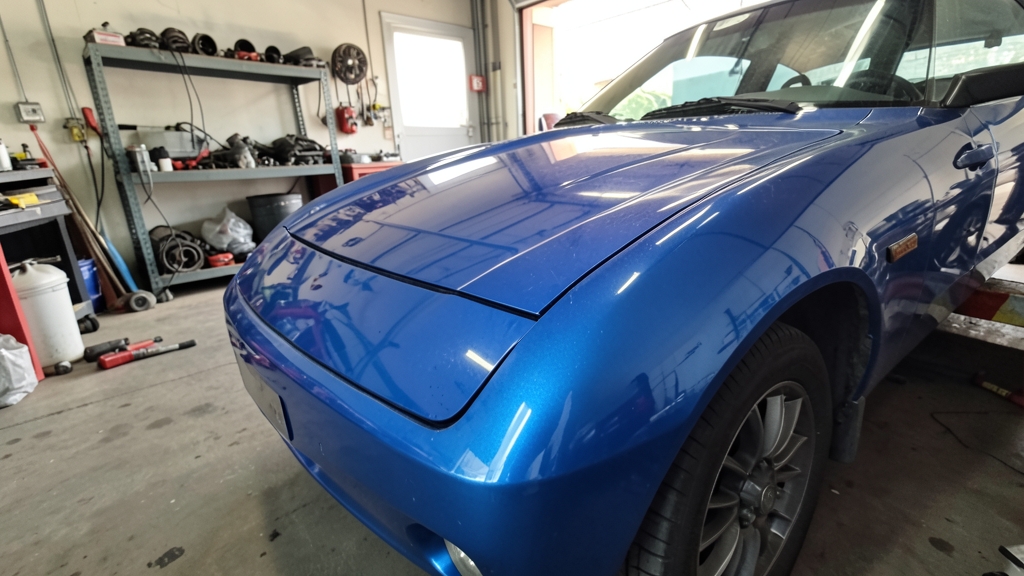
A high-quality ceramic coating is only as good as the hands applying it. In Houston’s harsh sun and humidity, improper installation can turn a premium product into a short-lived disappointment. We’ve seen firsthand how skilled installers deliver durability, gloss, and protection that inexperienced work simply can’t match.
Certification Separates Professionals from DIYers and Fly-by-Night Shops
Certifications like IDA (International Detailing Association) or brand-specific programs from Ceramic Pro, Gtechniq, or CarPro validate an installer’s mastery of surface prep, product chemistry, and application technique. These aren’t weekend courses—they require hands-on testing and adherence to strict standards.
Uncertified installers often skip critical steps like paint thickness measurements or proper decontamination. In Houston’s industrial air, iron particles and rail dust embed deep into clear coat, requiring specialized clay and chemical treatments to remove.
Some shops apply coating over swirl marks or oxidation without correction. Once sealed, these flaws are permanent until the coating fails or is removed—a costly lesson.
How Houston’s Climate Tests an Installer’s Skill
Our humidity and UV index accelerate coating failures if the surface isn’t perfectly prepped. Certified techs use infrared curing lamps to ensure full bonding before humidity interferes, and they monitor flash times to prevent streaking or uneven layers.
Temperature swings from bayou mornings to scorching afternoons demand precise timing. A pro knows when to slow the process or adjust layer thickness to account for Houston’s conditions.
The Prep Work That 90% of Coating Failures Trace Back To
Paint correction isn’t just about shine—it’s about creating a flawless substrate for adhesion. Skilled professionals use dual-action polishers, paint thickness gauges, and multiple stages of compounding to remove defects without burning through clear coat.
Even new cars from dealerships in Pearland or Katy often arrive with rail dust, overspray, or buffer trails. Skipping a full decontamination wash with iron-removing chemicals and clay bars risks trapping contaminants under the coating.
Non-Negotiable Prep Steps for Houston Vehicles
- Two-bucket wash method with pH-neutral soap
- Iron-removing pre-wash (e.g., P&S Brake Buster)
- Clay bar or synthetic clay towel decontamination
- Paint thickness measurement at multiple points
- Multi-stage polishing to remove swirls, water spots, and oxidation
- Final wipe-down with isopropyl alcohol or dedicated prep spray
Certification vs. Experience: What Houston Drivers Should Prioritize
Experience matters, but without formal training, even a 10-year detailer might rely on outdated methods. Certification programs evolve with new products—like graphene-infused coatings or self-healing top layers—that require updated techniques.
Ask for proof of ongoing education. The best shops in The Woodlands or Sugar Land send techs to annual recertification to stay current with advancements in nano-ceramic polymers and application tools.
| Factor | Uncertified Installer | |
|---|---|---|
| Surface Prep Standards | Multi-stage decontamination, paint correction, and thickness checks | Often skips clay bar or polishing steps |
| Product Knowledge | Trained on exact flash times, layering, and curing for each brand | Relies on generic instructions or guesswork |
| Tool Calibration | Uses calibrated polishers, IR lamps, and measuring tools | May use consumer-grade tools without precision |
| Warranty Validity | Warranties honored by manufacturer (e.g., 5-year Ceramic Pro) | Warranties often void due to improper application |
| Humidity/Temp Control | Adjusts process for Houston’s climate | May apply coating in unsuitable conditions |
The Tools of a Certified Ceramic Coating Pro
Certification isn’t just about knowledge—it’s about access to professional-grade equipment. High-end shops use European-made polishers with forced rotation to prevent holograms, and they invest in $1,000+ infrared lamps to ensure full curing in our humid air.
Paint thickness gauges (like the DeFelsko Positector) are non-negotiable. Houston’s roads are notorious for rock chips, and measuring clear coat depth prevents over-polishing that could require repainting in areas like Pasadena or near the Ship Channel.
When to Walk Away: Red Flags in Houston Coating Shops
If a shop quotes a ‘one-day’ full-vehicle coating for a large SUV or truck, be skeptical. Proper prep and application for a full-size pickup or fleet vehicle in Katy or The Woodlands takes 2–4 days, depending on paint condition.
Beware of shops that don’t offer paint correction as part of the package. Applying coating over swirls or scratches locks in those flaws. Similarly, avoid any installer who won’t show you their certification or portfolio of local work.
Ask to inspect a vehicle they coated 6+ months ago. Check for water beading uniformity, gloss consistency, and absence of haze—especially on dark-colored cars, which reveal flaws under our intense sunlight.
s and Complementary Services
The best ceramic coating results often pair with other protections. Houston installers frequently bundle paint correction, PPF (Paint Protection Film) on high-impact areas, andceramic window tint for UV rejection. This layered approach maximizes longevity.
For fleet vehicles in commercial areas like the Energy Corridor, providers may recommend interior ceramic protection for dashboards and leather, or wheel and brake caliper coatings to resist brake dust and road grime.
The Long-Term Value of Choosing Certified in Houston
A properly installed ceramic coating can last 5–7 years in Houston, with hydrophobic properties and UV resistance holding strong, while uncertified work often fails within 1–2 years, requiring costly removal and reapplication.
Factor in the cost of paint correction if the coating traps defects, or the hassle of warranty claims denied due to improper installation. For luxury or high-mileage vehicles, certification isn’t a luxury—it’s a necessity.
How to Verify a Ceramic Coating Installer’s Certification in Houston
Don’t take their word for it—here’s how to confirm you’re working with a true professional.
- 1Ask for Brand-Specific Credentials
Request to see their certification from the coating manufacturer (e.g., Ceramic Pro, Gtechniq, CarPro). Reputable brands list authorized installers on their websites.
- 2Check for IDA Membership
The International Detailing Association (IDA) has a searchable directory. IDA-certified detailers adhere to a code of ethics and ongoing education.
- 3Review Their Portfolio Locally
Ask for photos or in-person examples of vehicles they’ve coated in Houston, Sugar Land, or Pearland. Look for consistency in gloss and water behavior.
- 4Inquire About Their Prep Process
An installer will happily explain their decontamination, polishing, and paint thickness measurement steps. Vagueness is a red flag.
- 5Confirm Warranty Terms
Manufacturer-backed warranties (like Ceramic Pro’s 5-year) are only valid when applied by authorized professionals. Get the warranty in writing.
Frequently Asked Questions
Does an installer cost more for ceramic coating in Houston?
Experts may charge a premium, but the cost reflects their training, tools, and the longevity of the results. Factors like vehicle size, paint condition, and additional services (e.g., paint correction or PPF) drive the final price. Request a quote to understand the breakdown for your specific vehicle.
Can an uncertified installer still do a good job?
It’s possible, but the risk is high. Without formal training, they may miss critical steps like proper decontamination or curing, leading to premature failure. In Houston’s climate, even small mistakes can drastically reduce the coating’s lifespan and performance.
What’s the most common mistake uncertified installers make in Houston?
Skipping full paint correction and decontamination. Houston’s air carries industrial pollutants and rail dust that embed in clear coat. If not removed before coating, these contaminants cause adhesion issues and visible defects once the coating is applied.
How do I know if my current coating was applied correctly?
Inspect water behavior: it should bead uniformly and sheet off cleanly. Check for gloss consistency under direct sunlight—especially on dark vehicles. If you see haze, streaks, or uneven beading, the application may have been flawed. A professional can assess it for you.
Are there certified mobile ceramic coating services in Houston?
Yes, but mobile services have limitations. Certified mobile installers must control for humidity, temperature, and dust—challenges in Houston’s open-air environments. For best results, opt for a climate-controlled shop in areas like The Woodlands or Katy.
Do professionals offer ceramic coating for motorcycles or boats in Houston?
Absolutely. Many experienced providers extend their expertise to motorcycles, boats, and even RVs. The same principles of surface prep and application apply, though the products and techniques may vary slightly for non-automotive surfaces.