How Water Spots Ruin Your Ceramic Coating—And How to Remove Them in Ceramic Coating Houston, TX
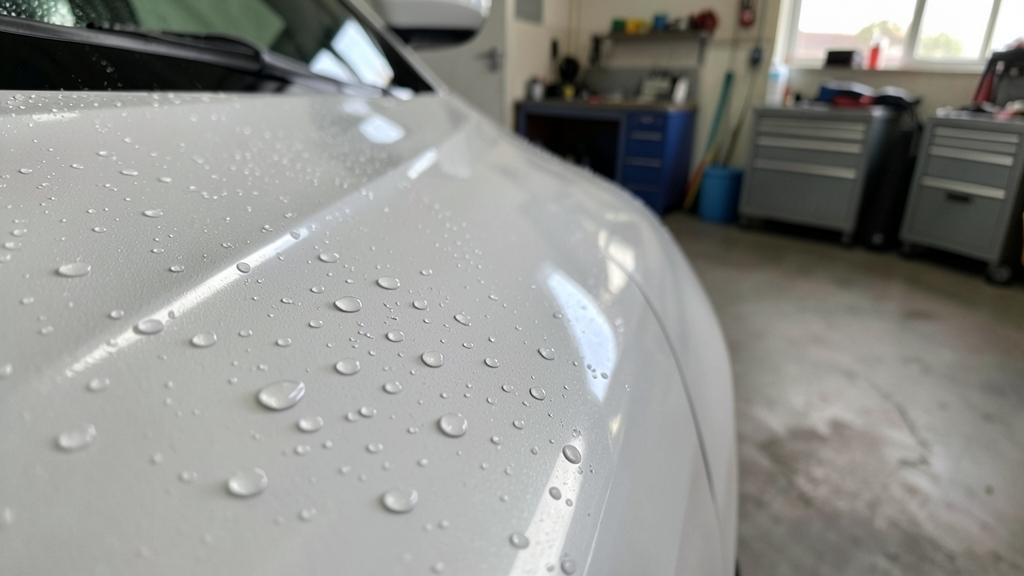
Houston’s hard water leaves behind stubborn mineral deposits that can etch into your ceramic coating if ignored. We’ll show you how these spots form, why they’re a bigger threat in our climate, and the safest ways to remove them without compromising your coating’s integrity or gloss.
Why Houston’s Hard Water Is Tough on Ceramic Coatings
Houston’s water is loaded with calcium, magnesium, and other minerals that don’t just sit on the surface—they bond to it. When water evaporates, these minerals crystallize, creating visible spots that can degrade your coating over time.
Our humid summers and sudden rain showers make the problem worse. The longer water sits, the deeper minerals penetrate, especially if your coating’s hydrophobic layer is wearing thin.
How Water Spots Actually Damage Your Coating
Mineral deposits don’t just look bad—they create microscopic pits in the coating. Over time, these weak spots reduce hydrophobic performance, making your vehicle more prone to future staining and contamination.
If left untreated, etched spots can progress to the clear coat beneath. This is why quick action is critical, especially for vehicles with Full-Vehicle Ceramic Coating or Paint Protection Film in areas like Katy or The Woodlands, where hard water is a known issue.
Never use harsh scrubbing pads or acidic cleaners. These can strip the coating’s top layer, leaving it vulnerable to UV damage and further etching.
Signs Your Ceramic Coating Has Water Spot Damage
Early signs include a rough texture when you run your fingers over the surface. Visually, you’ll notice dull, cloudy patches where water once pooled—common on hoods, roofs, and trunk lids.
In severe cases, you may see permanent etching that reflects light differently than the surrounding paint. This often requires Paint Correction & Polishing to restore clarity before reapplying ceramic protection.
Safe Removal: Tools and Techniques That Work
Start with a pH-neutral car shampoo and a high-quality microfiber towel. For mild spots, a deionized water rinse can dissolve minerals without leaving new deposits.
For tougher spots, a dedicated water spot remover (formulated for ceramic coatings) or a light clay bar treatment can lift embedded minerals. Always follow with a fresh coat of ceramic boost spray to restore hydrophobicity.
Essential Supplies for Water Spot Removal
- pH-neutral ceramic-safe shampoo
- Microfiber wash mitts and drying towels
- Deionized water (for final rinse)
- Ceramic-safe water spot remover or clay bar
- Ceramic coating maintenance spray
Step-by-Step: Removing Water Spots Without Harming Your Coating
Begin with a thorough wash using the two-bucket method to avoid reintroducing contaminants. This is especially important for vehicles in Pearland or Sugar Land, where dust and pollen can mix with hard water residues.
After drying, inspect the surface under direct light. If spots remain, proceed with targeted treatment—never apply products to the entire vehicle unless necessary.
Ceramic Coating vs. Paint Protection Film: How Water Spots Differ
Water spots affect PPF differently than ceramic coatings. PPF’s self-healing properties can mask minor etching, but deep mineral deposits may still require professional attention.
Ceramic coatings, while more resistant to UV and chemicals, are less forgiving to mineral etching. Both benefit from regular maintenance, but PPF Installation often handles hard water better in high-exposure areas like Pasadena.
| Factor | Ceramic Coating | Paint Protection Film (PPF) |
|---|---|---|
| Mineral Penetration Risk | High (etches coating surface) | Moderate (protected by film thickness) |
| Self-Healing Ability | None | Yes (minor scratches/spots) |
| Maintenance Frequency | Every 3-6 months (boost sprays) | Every 6-12 months (cleaning) |
| Hard Water Resistance | Good (hydrophobic layer) | Better (physical barrier) |
| Repair Method | Polishing + reapplication | Clay bar + sealant |
Preventing Future Water Spots in Houston’s Climate
Park under cover whenever possible—Houston’s intense sun accelerates mineral bonding. If covered parking isn’t an option, use a car cover made from breathable, UV-resistant material.
After rain or washes, dry your vehicle immediately with a microfiber towel. For added protection, consider Ceramic Window Tint and Interior Ceramic Protection to shield all surfaces from hard water exposure.
If washing at home, install a water softener on your hose line. This drastically reduces mineral content in your wash water, preventing new spots from forming.
When to Call a Professional for Ceramic Coating Repair
If water spots have etched through the coating or you notice a significant drop in beading, it’s time for professional intervention. Our team can assess whether Paint Correction & Polishing or a fresh Ceramic Coating application is needed.
For fleet or commercial vehicles in high-traffic areas like The Woodlands, regular professional maintenance ensures longevity and preserves resale value.
How to Remove Water Spots from Ceramic Coating
Follow these steps to safely eliminate water spots without damaging your coating.
- 1Wash the Vehicle
Use a pH-neutral shampoo and the two-bucket method to remove surface dirt. Dry thoroughly with a clean microfiber towel.
- 2Inspect Under Light
Check for remaining spots in direct sunlight or under a high-intensity light. Mark areas that need treatment.
- 3Apply Water Spot Remover
Use a ceramic-safe remover or a clay bar with lubricant. Work in small sections, following product instructions.
- 4Rinse and Reinspect
Rinse with deionized water and dry. If spots persist, repeat treatment or consider professional Paint Correction.
- 5Restore Hydrophobicity
Apply a ceramic coating maintenance spray to revive the hydrophobic layer and protect against future spots.
Frequently Asked Questions
Can water spots permanently damage my ceramic coating in Houston?
Yes, if left untreated, mineral deposits can etch into the coating, reducing its effectiveness and longevity. Early intervention is key to preventing permanent damage, especially in our hard water climate.
Is it safe to use vinegar or lemon juice to remove water spots on ceramic coating?
No. Acidic solutions like vinegar can degrade the coating’s chemical structure. Always use pH-neutral, ceramic-safe products to avoid voiding warranties or causing irreversible harm.
How often should I maintain my ceramic coating to prevent water spots?
We recommend a maintenance wash every 2-4 weeks and a ceramic boost spray every 3-6 months. For areas like Katy or Sugar Land with high mineral content, more frequent rinses with deionized water can help.
Does Paint Protection Film handle water spots better than ceramic coating?
PPF provides a physical barrier that’s more resistant to mineral etching, but it still requires maintenance. Ceramic coatings offer superior gloss and hydrophobic properties but need more frequent care to combat water spots.
What’s the best way to dry my car after a wash to avoid water spots?
Use a high-quality microfiber drying towel and the ‘blotting’ method instead of dragging the towel. For best results, dry immediately after washing and consider a quick detailer spray to add a protective layer.
Can I apply a new ceramic coating over water spots?
No. Water spots must be fully removed through polishing or correction first. Applying a new coating over etched spots will trap the damage underneath, leading to poor adhesion and reduced performance.