Portfolio Review: How to Spot Quality Work in Ceramic Coating Houston Installers
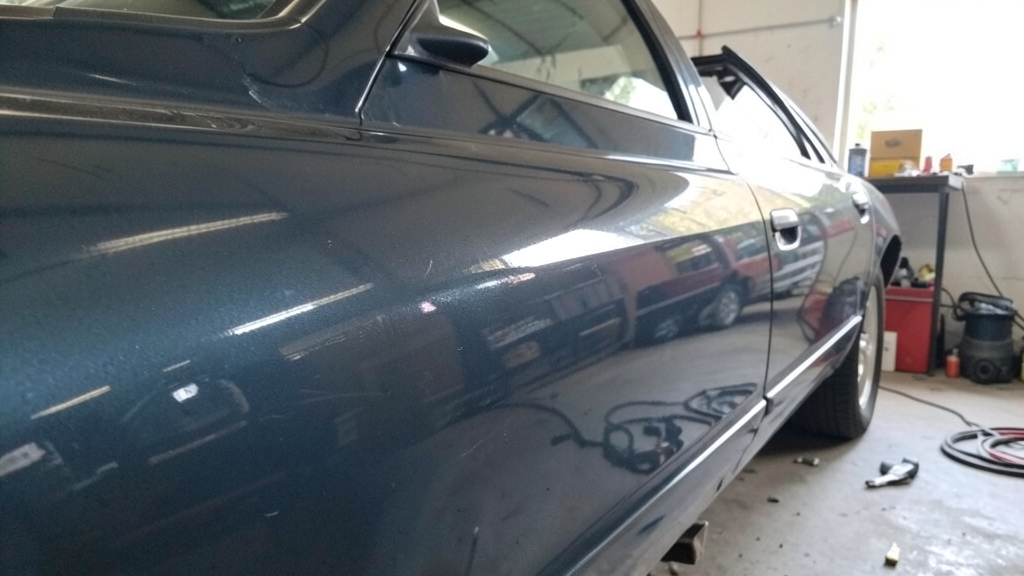
Not all Ceramic Coating Houston installers deliver the same level of protection or longevity. A sharp eye on portfolios, prep work, and aftercare details separates the experts from the amateurs. We’ll show you what to look for—and what red flags to avoid.
Why Portfolio Quality Matters for Ceramic Coatings
A ceramic coating’s performance hinges on meticulous surface prep and precise application. Poor prep leads to premature failure, even with premium products.
Houston’s intense UV and humidity demand coatings that resist fading, water spots, and chemical etching. A strong portfolio proves an installer understands these local challenges.
Red Flags in Ceramic Coating Portfolios
Beware of portfolios heavy on stock images or generic before/after shots. Real work shows consistent lighting, angles, and vehicle-specific details.
Hazy reflections, uneven gloss, or visible swirl marks in ‘after’ photos signal rushed paint correction or improper curing.
Never choose an installer whose portfolio lacks close-ups of edges, emblems, or complex curves. These areas test true skill.
What High-Quality Ceramic Coating Work Looks Like
True experts showcase mirror-like clarity, deep gloss, and water beading that lasts months, not weeks. Look for videos of water behavior, not just static images.
Detail shots of wheel wells, door jams, and trim reveal attention to areas often skipped by less thorough installers.
Paint Correction: The Foundation of Lasting Protection
A flawless ceramic coating starts with paint correction. Swirls, scratches, or oxidation trapped under the coating will be permanent.
Our team uses multi-stage polishing with fine abrasives to achieve a defect-free surface before any ceramic layer is applied.
Signs of Proper Paint Correction
- No visible swirls or holograms under direct light
- Consistent gloss across all panels
- Smooth-to-the-touch finish with no rough patches
Ceramic Coating vs. Paint Protection Film: When to Use Each
Ceramic coatings excel at enhancing gloss and repelling contaminants, but they don’t protect against rock chips or deep scratches.
For full defense against Houston’s road debris, we often recommend pairing a ceramic coating with Paint Protection Film on high-impact areas like hoods and bumpers.
| Feature | Ceramic Coating | Paint Protection Film (PPF) |
|---|---|---|
| UV Resistance | Excellent (99%+ block) | Excellent (99%+ block) |
| Scratch Resistance | Moderate (light scratches) | High (self-healing for minor scratches) |
| Impact Protection | None | High (absorbs rock chips) |
| Gloss Enhancement | High (deep, reflective shine) | Moderate (matte or gloss options) |
| Longevity | 2–5 years (with maintenance) | 5–10 years (with care) |
| Maintenance | Low (wash & reapply booster) | Low (wash, occasional PPF cleaning) |
| Cost Factors | Product grade, layers, prep work | Film thickness, coverage areas, brand |
Local Considerations: Houston’s Climate and Your Coating
Houston’s humidity accelerates water spotting, while the Texas sun fades and oxidizes paint faster. A quality coating must address both.
We adjust curing times and layer thickness for our climate, ensuring maximum cross-linking and durability.
Opt for a hydrophobic top layer if you park outside often. It sheds rainwater faster, reducing mineral deposits from our hard water.
The Role of Multi-Layer Ceramic Coatings
Single-layer coatings may suffice for daily drivers, but high-end or dark-colored vehicles benefit from 2–3 layers for deeper protection and gloss.
Each additional layer adds hardness (up to 9H) and longevity, but requires extended curing between applications.
Beyond the Basics: Full-Vehicle and Specialty Coatings
For comprehensive protection, we offer Full-Vehicle Ceramic Coating, including wheels, calipers, and glass. Wheel coatings resist brake dust and harsh cleaners.
Interior ceramic protection guards against UV fading and stains on leather, plastic, and vinyl—critical for Houston’s sunny days.
How to Evaluate a Ceramic Coating Installer’s Portfolio
Use this step-by-step guide to separate the best Ceramic Coating Houston installers from the rest.
- 1Check for Real Vehicle Diversity
Look for a mix of makes, models, and colors—not just one type of car. This shows versatility in addressing different paint types and curves.
- 2Examine Close-Up Shots
Zoom in on edges, emblems, and tight spaces. Flawless application here proves skill and patience.
- 3Assess Lighting Consistency
Portfolio photos should use consistent lighting to avoid misleading gloss or defect hiding. Natural sunlight is ideal.
- 4Look for Before/After Comparisons
Side-by-side images under the same lighting reveal the true impact of paint correction and coating application.
- 5Verify Water Behavior
High-quality coatings bead water tightly and sheet off easily. Videos of this in action are a strong trust signal.
- 6Ask About Maintenance Follow-Ups
The best installers provide aftercare guidance and showcase long-term results, not just day-one shots.
Frequently Asked Questions
How long should a professional ceramic coating last in Ceramic Coating Houston?
With proper prep and application, a professional ceramic coating typically lasts 2–5 years in Houston’s climate. Longevity depends on the product grade, number of layers, and maintenance routine. Request a quote to discuss options tailored to your vehicle.
Can ceramic coating fix existing scratches or swirls?
No, ceramic coatings enhance and protect the existing surface but won’t remove imperfections. Paint correction is required first to eliminate scratches, swirls, or oxidation before applying the coating.
Is ceramic coating worth it for older cars in Houston?
Yes, if the paint is in good condition after correction. Older cars benefit from the UV and oxidation protection, especially in our harsh Texas sun. However, heavily damaged paint may need restoration before coating.
Do you offer ceramic coating for wheels and brake calipers in Houston?
Absolutely. Wheel and brake caliper ceramic coatings resist brake dust, high temperatures, and harsh cleaners. This service is popular among performance and luxury vehicle owners in areas like Ceramic Coating in The Woodlands and Ceramic Coating in Katy.
How do I maintain my ceramic coating to maximize its lifespan?
Wash your vehicle every 2 weeks with a pH-neutral car shampoo, avoid automatic car washes with harsh brushes, and reapply a ceramic booster spray every 3–6 months. For local tips, ask your installer about Houston-specific care.
What’s the difference between DIY and professional ceramic coating in Houston?
DIY kits lack the durability, hardness, and longevity of professional-grade products. Professionals also perform critical prep work like paint correction and decontamination, which most DIYers skip. The climate in Houston demands expert application for lasting results.