How to Maintain Your Ceramic Coating for Long-Lasting Protection in Ceramic Coating Houston, TX
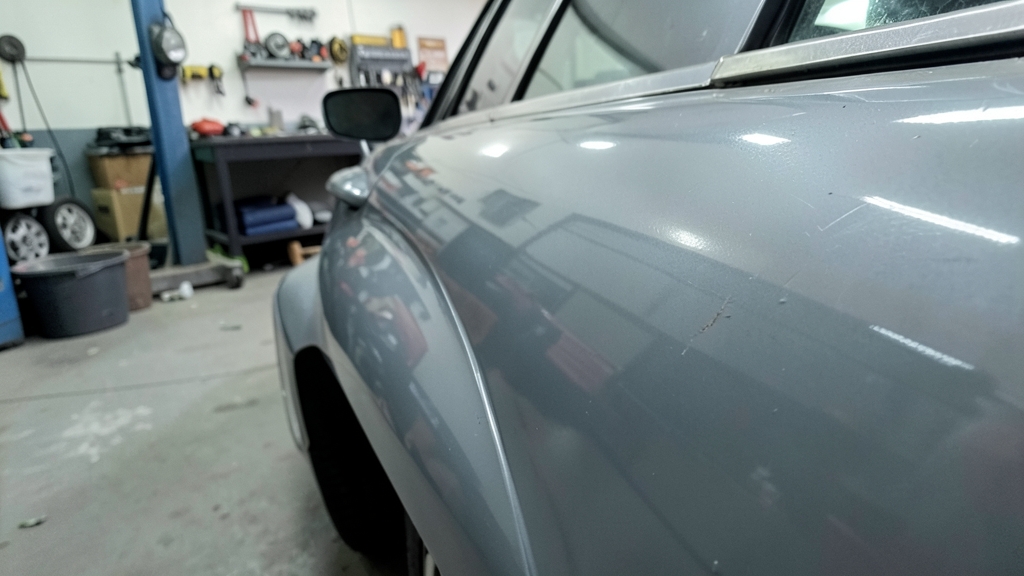
A ceramic coating isn’t a set-it-and-forget-it solution. Even the best SiO2-based coatings need consistent care to combat Houston’s harsh sun, humidity, and road grime. We’ll show you how to preserve that glass-like finish and hydrophobic performance for years, not months.
Why Houston’s Climate Demands Extra Ceramic Coating Care
Houston’s intense UV index and high humidity accelerate oxidation and water spotting. Without proper upkeep, even premium ceramic coatings degrade faster than in milder climates.
Road salt near the coast and industrial fallout in areas like Pasadena or Sugar Land add abrasive contaminants that cling to painted surfaces. Regular decontamination is non-negotiable.
The Golden Rule: Use pH-Balanced Car Soap Only
Harsh detergents strip the hydrophobic layer and break down the SiO2 bond. Stick to pH-neutral soaps designed for ceramic coatings and paint protection film alike.
Avoid dish soap or degreasers at all costs. These can etch the coating’s surface, reducing beading and making future maintenance harder.
Brush-based car washes create micro-scratches that dull your coating’s clarity. Opt for touchless or hand-wash only to preserve the finish.
Washing Technique: The Two-Bucket Method Saves Your Coating
Use one bucket for soap and a second for rinsing your mitt. This prevents cross-contamination from dirt and grit that could scratch the coating.
Grit guards in both buckets trap particles at the bottom. Always dry with a high-quality microfiber towel to prevent water spots, a common issue in Pearland’s hard water areas.
Essential Wash Tools
- pH-neutral ceramic-safe soap
- High-pile microfiber wash mitt
- Two 5-gallon buckets with grit guards
- Separate microfiber drying towels
- Iron-removing pre-wash spray
Decontamination: The Hidden Key to Longevity
Iron particles from brake dust and rail dust embed in your coating over time. Use an iron-removing spray weekly to dissolve these contaminants before they cause staining.
For stubborn bonded contaminants, a clay bar or clay mitt lifts them without damaging the coating. This step is critical before applying maintenance sprays or inspecting for areas needing touch-ups.
Maintenance Sprays and Boosting Hydrophobicity
SiO2-based detail sprays refresh the hydrophobic layer between full washes. Apply after drying to restore beading and sheeting action.
These sprays also add a temporary UV shield, which is vital in Katy or The Woodlands where vehicles sit in direct sunlight for hours. Reapply every 1-2 months for optimal performance.
Maintenance sprays are great for DIY upkeep, but for deep restoration, our team recommends a professional inspection every 12-18 months to assess coating integrity.
Ceramic Coating vs. Paint Protection Film: Maintenance Differences
While both protect paint, PPF requires different care. Ceramic coatings can be maintained with sprays and proper washing, but PPF needs gentle cleaners to avoid lifting edges.
PPF also handles rock chips better but can yellow over time without UV-resistant top coats. Many Houston drivers combine both: PPF on high-impact areas and ceramic coating for the rest of the vehicle.
| Aspect | Ceramic Coating | Paint Protection Film (PPF) |
|---|---|---|
| Washing Method | Two-bucket, pH-neutral soap | Two-bucket, mild soap, avoid pressure washers near edges |
| Decontamination | Iron spray, clay bar | Iron spray, clay bar (gentle pressure) |
| UV Protection | Inherent in coating, boost with sprays | Requires UV-resistant top coat |
| Scratch Resistance | Minimal; protects against light swirls | High; self-healing properties |
| Longevity | 2-5 years with maintenance | 5-10 years with care |
Avoid These Common Mistakes That Ruin Ceramic Coatings
Never use wax or sealants over a ceramic coating. These products can create a hazy layer and reduce the coating’s self-cleaning properties.
Parking under trees in The Woodlands? Bird droppings and sap are acidic and can etch the coating if not removed within 24-48 hours. Carry a quick detailer for prompt cleanup.
Avoid washing your vehicle in direct sunlight or using high-pressure nozzles. Heat causes soap to dry too quickly, leaving streaks, while pressure can lift PPF edges.
When to Call the Pros: Signs Your Coating Needs Attention
If water no longer beads or sheets off the surface, the hydrophobic layer may be compromised. This often happens after 18-24 months in Houston’s climate.
Visible swirl marks or dullness suggest the coating has worn thin or wasn’t applied correctly. Our team can inspect and recommend a paint correction or reapplication if needed.
How to Wash Your Ceramic-Coated Vehicle Like a Pro
Follow these steps to clean your vehicle without damaging the coating.
- 1Pre-Wash Rinse
Use a pressure washer or hose to remove loose dirt. Start from the top and work downward to avoid re-soiling clean areas.
- 2Apply Iron Remover
Spray an iron-removing product on wheels, lower panels, and high-contamination areas. Let it dwell for 2-3 minutes until it turns purple.
- 3Two-Bucket Wash
Wash one section at a time using the two-bucket method. Use a separate mitt for wheels and body to prevent cross-contamination.
- 4Rinse Thoroughly
Rinse all soap residue completely, especially from crevices and emblems where soap can linger and cause streaks.
- 5Dry with Microfiber
Pat dry with a plush microfiber towel or use a blower to prevent water spots. Avoid air-drying in direct sunlight.
- 6Apply Maintenance Spray
Mist a SiO2 detail spray onto each panel and buff with a clean microfiber towel to restore hydrophobicity.
Frequently Asked Questions
How often should I wash my ceramic-coated car in Houston?
Wash your vehicle every 1-2 weeks to prevent buildup of contaminants like pollen, dust, and industrial fallout. Houston’s humidity means dirt clings faster, so frequent washing is key to longevity.
Can I use a pressure washer on my ceramic coating?
Yes, but keep the nozzle at least 12-18 inches away and use a wide spray pattern. Avoid high-pressure settings near edges or trim to prevent lifting the coating or PPF.
What’s the best way to remove water spots from my ceramic coating?
For light spots, a pH-neutral soap wash often removes them. For stubborn mineral deposits, use a water spot remover designed for ceramic coatings. Avoid vinegar or acidic cleaners.
Does ceramic coating protect against rock chips in Ceramic Coating Houston?
Ceramic coatings add a hard layer that resists light scratches but won’t stop rock chips. For full protection, combine a coating with paint protection film on high-impact areas like the hood and bumper.
How do I know if my ceramic coating is still working?
Perform the water test: Spritz water on a clean panel. If it beads tightly and sheets off, your coating is active. If water flattens or leaves residue, it’s time for a maintenance spray or professional inspection.
Is ceramic coating maintenance different for fleet vehicles?
Fleet vehicles in areas like Sugar Land or Katy often face more abrasive conditions. We recommend more frequent decontamination and maintenance sprays, plus regular inspections to address wear from high mileage.