How Often Should You Reapply Ceramic Coating in Houston’s Climate in Ceramic Coating Houston, TX
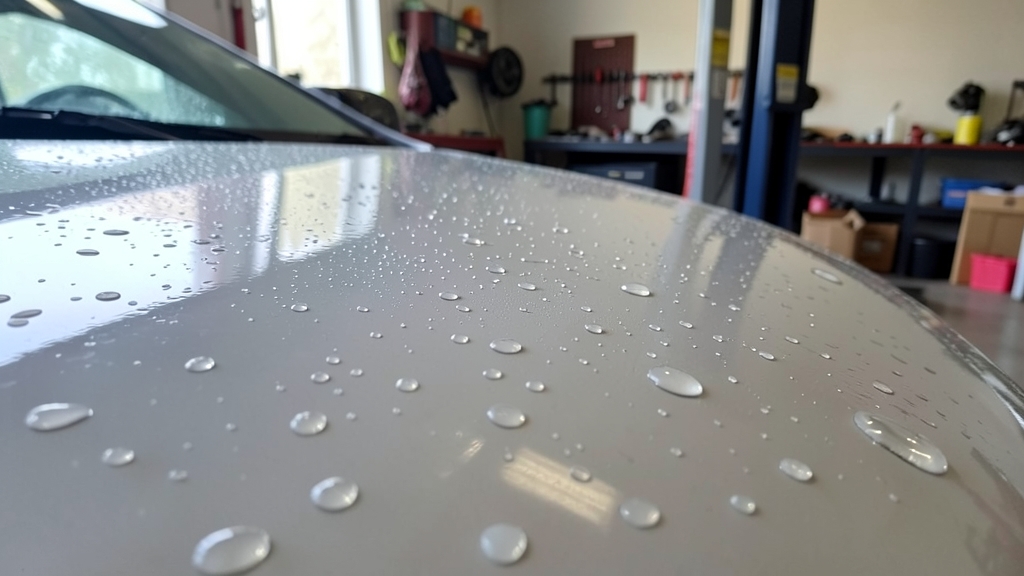
Houston’s relentless sun, high humidity, and sudden temperature swings put ceramic coatings to the test. We’ve protected thousands of vehicles across Houston, Pasadena, and Katy, and we know exactly how these conditions accelerate wear. Here’s the real-world timeline for reapplication—and how to stretch it.
Why Houston’s Climate Shortens Ceramic Coating Lifespans
Intense UV rays break down the SiO2 and TiO2 bonds in ceramic coatings faster than in milder climates. Houston’s UV index often exceeds 10, accelerating oxidation and reducing hydrophobicity over time.
Humidity above 70% for long stretches traps contaminants against the coating, leading to water spotting and microscopic etching. This is especially tough on vehicles in Pearland and Sugar Land, where morning dew is common.
Thermal cycling—swings from 95°F days to 70°F nights—causes the coating to expand and contract. Over months, this micro-stress weakens adhesion, particularly on dark-colored paints that absorb more heat.
Typical Longevity: Consumer-Grade vs. Professional Ceramic Coatings
Consumer-grade ceramic sprays or DIY kits typically last 6–12 months in Houston’s conditions. Their lower SiO2 concentration (often under 20%) can’t withstand the climate’s demands.
| Coating Type | SiO2 Content | Houston Lifespan | Reapplication Frequency |
|---|---|---|---|
| Consumer Spray-On | <20% | 6–12 months | Annually |
| Entry-Level Professional | 30–50% | 1.5–2 years | Every 18–24 months |
| Mid-Grade Professional | 60–80% | 2–3 years | Every 2–3 years |
| Premium Professional (9H+) | 80–95%+ | 4–5 years | Every 4–5 years |
Signs Your Ceramic Coating Needs Reapplication
Water no longer beads into tight, high domes or sheets off instantly. If droplets flatten or leave trails, the hydrophobic layer is fading.
Paint looks duller under direct sunlight, even after a thorough wash. This indicates the coating’s gloss-enhancing properties have degraded.
Swirl marks or light scratches appear more visible. A healthy coating masks minor imperfections; when it wears, these flaws resurface.
Sometimes, embedded iron particles or water spots mimic coating failure. Always perform a maintenance wash with a pH-neutral shampoo and iron remover before assuming the coating is spent.
How Driving Habits and Parking Impact Reapplication Timing
Vehicles parked outside in The Woodlands or Katy under direct sunlight daily may need reapplication 20–30% sooner than garage-kept cars. UV exposure is the single biggest accelerator of coating breakdown.
Frequent highway driving at 70+ mph increases bug splatter, tar, and road grime buildup. These contaminants degrade the coating’s self-cleaning properties faster.
Automatic car washes with harsh brushes or high-pH soaps strip ceramic coatings prematurely. Hand washing with a grit guard and microfiber towels extends lifespan significantly.
Maintenance That Extends Your Coating’s Life Between Reapplications
Wash your vehicle every 1–2 weeks using a pH-neutral ceramic-safe shampoo. Avoid dish soaps or degreasers, which break down the hydrophobic layer.
Apply a ceramic booster spray every 3–6 months. These SiO2-rich top-ups refresh hydrophobicity and fill minor gaps in the coating matrix.
Use a clay bar or iron remover quarterly to eliminate embedded contaminants. Left untreated, these particles create micro-scratches that compromise the coating.
Houston Ceramic Coating Maintenance Routine
- Bi-weekly pH-neutral washes with grit guard
- Monthly ceramic booster spray application
- Quarterly clay bar decontamination
- Annual paint correction touch-ups if needed
When Paint Correction Is Needed Before Reapplication
If your vehicle’s paint has swirls, oxidation, or deep scratches, a fresh ceramic coating will lock in these imperfections. Paint correction and polishing restore the surface before reapplication.
This step is critical for older vehicles or those with heavy sun damage common in Houston. Skipping it means the new coating won’t bond properly or look its best.
Our team often combines paint correction with ceramic coating services for vehicles in Sugar Land and Pasadena, where sun fading is a recurring issue.
Black, deep blue, and red paints show imperfections most. If you’re reapplying a coating on these colors, a light polish before the new layer ensures a mirror-like finish.
How Fleet and Commercial Vehicles Differ
Fleet vehicles in Houston—like delivery trucks or service vans—often require reapplication every 1–2 years due to constant exposure and minimal maintenance.
Commercial vehicles benefit from Paint Protection Film (PPF) on high-impact areas (hood, bumper, mirrors) combined with ceramic coating for a layered defense.
For fleets in Pearland or Katy, we recommend scheduling reapplication during slower seasons to minimize downtime.
What to Expect During a Ceramic Coating Reapplication
The process starts with a thorough decontamination wash to remove all surface contaminants. This ensures the new coating bonds directly to the paint or existing layer.
If the previous coating is heavily degraded, we may perform a light polish to remove residual product. This step isn’t always needed but helps ensure optimal adhesion.
Reapplication typically takes 1–2 days, depending on the vehicle size and whether additional services like Paint Protection Film or ceramic window tint are included.
How to Check if Your Ceramic Coating Still Works
A quick at-home test can reveal whether your coating is still protecting your paint.
- 1Water Beading Test
Spray water from a bottle onto a clean, dry panel. If water beads into tight, round droplets and slides off easily, the coating is active. Flat droplets or sheeting mean it’s time for reapplication.
- 2Finger Swipe Test
After washing, run a clean finger across the paint. A properly coated surface will feel slick and smooth. Roughness or drag indicates the coating has worn.
- 3Contaminant Resistance Test
Drip a small amount of water mixed with dish soap onto the paint. If it beads and rolls off, the coating is repelling contaminants. If it sheets, the hydrophobic layer is compromised.
- 4Visual Gloss Inspection
Park in direct sunlight and inspect the paint’s reflection. A healthy coating enhances depth and clarity. Dull or hazy reflections suggest the coating is no longer performing.
- 5Dirt Accumulation Check
After a week of normal driving, observe how much dirt sticks to the paint. A well-maintained coating sheds dirt easily; excessive buildup signals it’s time for a refresh.
Frequently Asked Questions
Does ceramic coating last longer on white cars in Ceramic Coating Houston?
Yes, lighter colors like white or silver reflect more UV rays, reducing thermal stress on the coating. Darker vehicles absorb heat, accelerating degradation. However, maintenance habits matter more than color alone.
Can I reapply ceramic coating over an existing layer?
It depends on the condition of the current coating. If it’s still intact and just needs a boost, a ceramic spray or booster can refresh it. If it’s heavily degraded, a full decontamination and new application are necessary for optimal bonding.
How does Houston’s humidity affect ceramic coating performance?
High humidity increases water spotting and mineral deposits, which can etch into the coating over time. Regular washing and drying—especially after rain—mitigates this. Vehicles in areas like The Woodlands, with frequent dew, need extra attention.
Is ceramic coating worth it for older cars in Houston?
Absolutely, but paint correction is often required first. Older vehicles with oxidation or swirls benefit from a coating’s protection, but the surface must be restored to ensure proper adhesion and appearance.
What’s the difference between reapplying ceramic coating and adding a booster?
A booster is a temporary SiO2 top-up that refreshes hydrophobicity and gloss for 3–6 months. Reapplication involves a full new layer of ceramic coating, which lasts years. Boosters are ideal for maintenance; reapplication is for renewal.
Do I need to reapply ceramic coating on PPF (Paint Protection Film)?
PPF itself doesn’t require ceramic coating, but adding a ceramic top coat enhances its self-cleaning properties and UV resistance. Reapplication on PPF is less frequent—typically every 3–4 years—since the film provides a stable base.