How Houston’s Humidity and UV Rays Impact Your Ceramic Coating Longevity in Ceramic Coating Houston
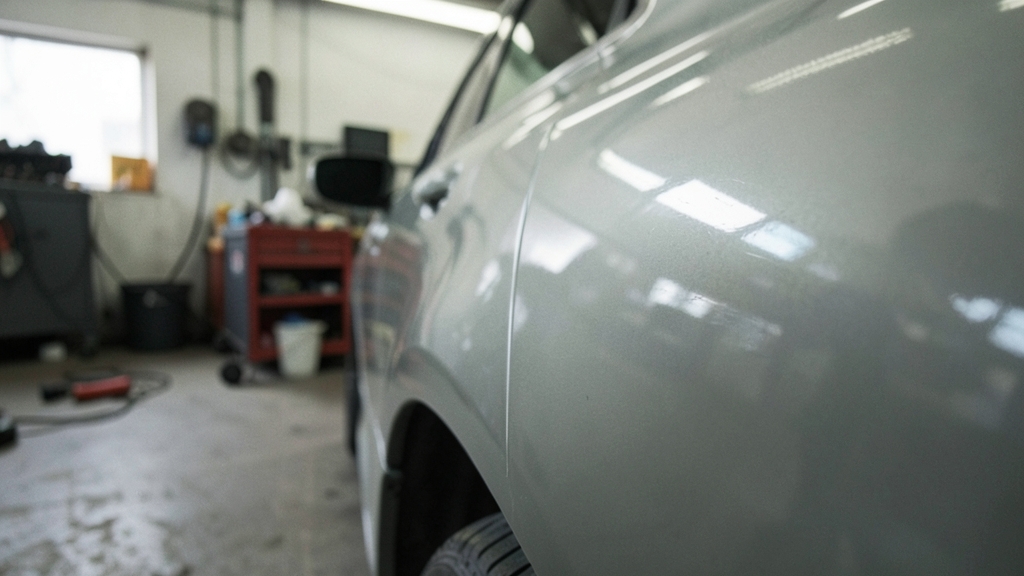
Houston’s relentless humidity and intense UV exposure are a one-two punch for your vehicle’s finish. We break down how these factors degrade ceramic coatings over time—and what you can do to extend their lifespan with smart maintenance and application techniques.
Why Houston’s Climate Is Tough on Ceramic Coatings
Houston’s high humidity accelerates water spotting and mineral deposits, which can etch into a coating’s hydrophobic layer if not removed promptly. The constant moisture also promotes mold and mildew growth in gaps and seams.
Meanwhile, UV rays break down the molecular bonds in both your paint and the ceramic coating itself. Over time, this leads to oxidation, fading, and a weakened protective barrier—even with premium nano-ceramic products.
The combination of heat, humidity, and UV exposure in areas like Sugar Land or Katy means coatings here face more stress than in drier, cooler climates. Proper prep and aftercare are non-negotiable.
How Humidity Affects Hydrophobic Performance
Ceramic coatings rely on a tight, glass-like matrix to repel water. Humidity introduces microscopic moisture that can seep into imperfections, reducing beading and sheeting over time.
In neighborhoods near the coast, like Pasadena, salt air compounds the problem. It leaves behind corrosive residues that cling to the coating, requiring more frequent decontamination washes.
Brushes and harsh detergents strip away the coating’s top layer. Stick to touchless or hand washes with pH-neutral shampoos to preserve hydrophobic properties.
UV Damage: The Silent Coating Killer
UV rays cause photo-oxidation, breaking down the ceramic polymers (often SiO2 or TiO2-based) that give the coating its durability. This weakens the bond to the clear coat, leading to premature failure.
In The Woodlands or Pearland, where vehicles often sit in direct sunlight, UV damage is accelerated. Even a high-quality coating can lose 20-30% of its protective capacity in as little as 12-18 months without UV inhibitors or regular maintenance.
Pairing a ceramic coating with a UV-resistant paint protection film (PPF) in high-exposure areas can add years to your finish’s life. We often recommend this combo for fleet vehicles or daily drivers.
Ceramic Coating Lifespans: Houston vs. Ideal Conditions
Under ideal conditions—low humidity, moderate UV, and meticulous care—professional-grade ceramic coatings can last 5-7 years. In Houston, that timeline often shrinks to 2-4 years without extra precautions.
Factors like parking habits, frequency of washes, and exposure to industrial fallout (common near refineries) play a huge role. A vehicle garaged in Katy will outlast one parked outdoors in downtown Houston.
| Environment | Lifespan (Years) | Key Challenges |
|---|---|---|
| Arid, Low-UV Climate | 5-7 | Minimal moisture, dust accumulation |
| Moderate Climate | 4-5 | Seasonal temperature swings |
| Houston (High Humidity + UV) | 2-4 | Water spotting, UV oxidation, salt air |
| Industrial/Coastal Areas | 1.5-3 | Chemical contaminants, salt corrosion |
Pre-Application: The Key to Longevity in Humid Climates
Houston’s humidity means paint correction is even more critical before applying a ceramic coating. Any trapped moisture or contaminants will sabotage adhesion, leading to peeling or hazing.
Our team always performs a thorough decontamination wash, clay bar treatment, and (if needed) a multi-stage polish to remove swirls and oxidation. Skipping this step in our climate is a recipe for failure.
For vehicles in Pearland or Sugar Land, we also inspect for existing water spots or etching. These must be addressed before the coating can bond properly.
Pre-Coating Prep for Houston Vehicles
- Full decontamination wash with iron-removing spray
- Clay bar treatment to remove embedded contaminants
- Paint correction (compound and polish) to eliminate swirls
- Final IPA wipe-down to ensure a clean, dry surface
- Inspection for water spots, oxidation, or clear coat damage
Maintenance Tips to Combat Houston’s Elements
Wash your vehicle every 1-2 weeks using the two-bucket method and a high-quality microfiber mitt. This prevents dirt and pollutants from embedding in the coating.
Apply a ceramic-boosting spray sealant every 3-6 months to refresh hydrophobic properties. In high-humidity months, lean toward the shorter interval.
For vehicles in The Woodlands or Katy, consider a monthly decontamination wash with a pH-neutral cleaner to remove industrial fallout or pollen buildup.
Use a blower or high-quality microfiber towel to dry your vehicle immediately after washing. Letting water air-dry in Houston’s humidity leads to stubborn water spots.
When to Consider Additional Protection
For maximum defense against Houston’s climate, layer a ceramic coating with paint protection film (PPF) on high-impact areas like the hood, bumper, and fenders. PPF absorbs UV damage and physical abrasions, while the ceramic coating enhances gloss and repellency.
Wheel and brake caliper ceramic coatings are another smart add-on. Brake dust and road grime in areas like Pasadena can corrode wheels quickly, but a ceramic barrier makes cleaning easier and prevents pitting.
Interior ceramic protection is often overlooked but valuable. Houston’s humidity can cause leather and vinyl to crack over time; a ceramic treatment adds a UV-resistant, easy-to-clean layer.
Signs Your Ceramic Coating Needs Attention
Reduced beading or sheeting is the first sign your coating’s hydrophobic layer is degrading. Water should still bead tightly even after a year in Houston’s climate.
Increased dirt adhesion or difficulty washing off contaminants suggests the coating’s self-cleaning properties are fading. This often happens faster in areas with heavy pollution or salt air.
Visible hazing, swirls, or a dull finish indicate the coating may be failing or the underlying paint is oxidizing. At this point, a professional inspection is critical to determine if a refresh or full reapplication is needed.
How to Extend Your Ceramic Coating’s Life in Houston
Follow these steps to maximize your coating’s durability against humidity and UV damage.
- 1Wash Regularly and Correctly
Use the two-bucket method with pH-neutral shampoo and microfiber mitts. Avoid automatic car washes with brushes, which can scratch the coating.
- 2Dry Thoroughly After Washing
Prevent water spots by drying your vehicle immediately with a blower or microfiber towel. Never let it air-dry in humid conditions.
- 3Apply a Ceramic Boost Spray
Every 3-6 months, apply a SiO2-based spray sealant to refresh the hydrophobic layer. This is especially important during Houston’s long, humid summers.
- 4Decontaminate Monthly
Use an iron-removing spray and clay bar to eliminate embedded contaminants like brake dust or industrial fallout, which are common in areas like Pasadena.
- 5Park Smart
Whenever possible, park in a garage or under a carport to shield your vehicle from UV rays and humidity. If outdoor parking is unavoidable, use a UV-resistant car cover.
- 6Inspect Annually
Have a professional inspect your coating for signs of degradation, such as reduced beading or hazing. Catching issues early can save you from a full reapplication.
Frequently Asked Questions
Does Houston’s humidity void ceramic coating warranties?
Most professional-grade ceramic coatings come with warranties that account for environmental factors, but they require strict maintenance. Skipping washes or using harsh chemicals can void coverage. Always follow the manufacturer’s care guidelines.
Can I apply a ceramic coating myself in Houston’s climate?
DIY ceramic coatings are riskier in humid environments. Improper prep or application in high moisture can lead to adhesion failure. For best results in Ceramic Coating Houston, trust a professional with climate-controlled facilities.
How does ceramic coating compare to wax in Houston’s weather?
Wax offers minimal UV and humidity protection, lasting only 1-3 months. Ceramic coatings provide years of defense against oxidation, water spotting, and contaminants—making them far superior for Houston’s harsh conditions.
Will a ceramic coating prevent water spots in Houston?
While ceramic coatings reduce water spotting, they don’t eliminate it entirely in high-humidity areas. Regular washing and drying are still essential. For added protection, consider a ceramic-boosting spray or a professional-grade sealant.
Is paint protection film (PPF) better than ceramic coating for Houston vehicles?
PPF and ceramic coatings serve different purposes. PPF excels at protecting against physical damage (rock chips, scratches) and UV rays, while ceramic coatings enhance gloss and repellency. For maximum protection in Ceramic Coating Houston, we recommend layering both.
How often should I reapply ceramic coating in Houston?
With proper maintenance, a professional ceramic coating in Houston typically lasts 2-4 years. High-exposure vehicles or those in coastal areas like Pasadena may need a refresh at the 2-year mark.