Entry-Level vs. Pro Ceramic Coating: What’s the Price Difference in Houston in Ceramic Coating Houston, TX
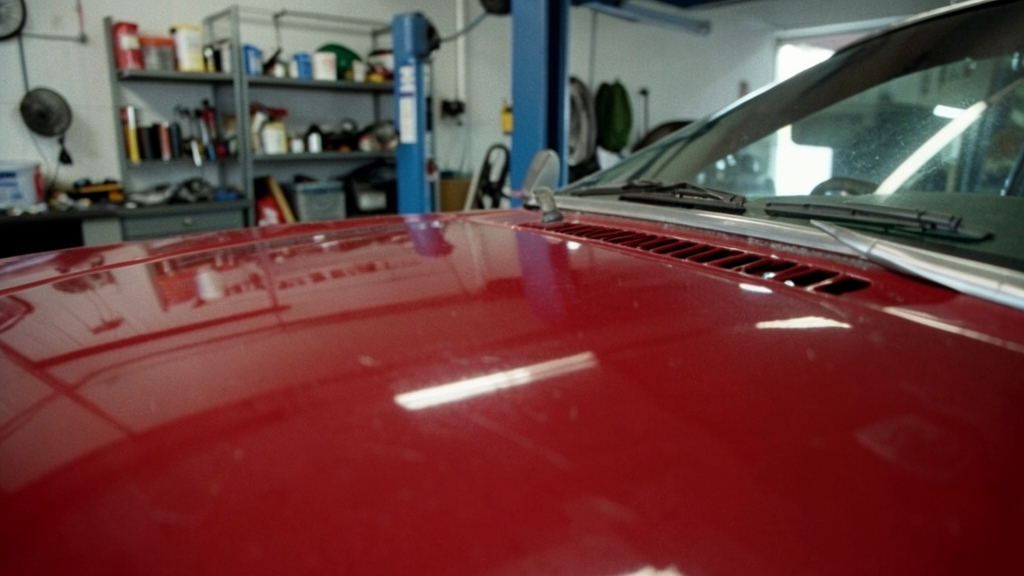
Choosing between entry-level and professional-grade ceramic coatings in Houston isn’t just about upfront cost—it’s about longevity, protection, and how your vehicle handles our brutal heat, humidity, and UV exposure. We break down the real differences so you can decide what’s worth protecting.
Why Houston’s Climate Demands More Than a Basic Coating
Houston’s relentless sun, high humidity, and sudden downpours accelerate paint oxidation and water spotting. A thin, consumer-grade ceramic coating may not hold up under these conditions.
Pro-grade coatings, with higher SiO2 or graphene content, form a denser, more durable layer. They resist UV fading, chemical etching from bird droppings, and the constant assault of road grime far better.
Many DIY ceramic spray coatings lack the 9H hardness and longevity of professional-grade products. They often wash away within months in Houston’s climate.
Entry-Level Ceramic Coatings: What You’re Actually Getting
Entry-level coatings typically use lower concentrations of SiO2 (silicon dioxide) or polymer blends. They offer basic hydrophobic properties and minor gloss enhancement but lack depth in protection.
These coatings are often single-layer applications with a lifespan of 1–2 years. They’re easier to apply but require more frequent reapplication, especially in areas like Pasadena or Katy where industrial fallout is common.
They’re a step up from wax or sealants but won’t prevent swirl marks or deep scratches. Ideal for daily drivers where budget is the top concern.
Professional-Grade Ceramic Coatings: Built for the Long Haul
Pro coatings use advanced nano-ceramic or graphene-infused formulas with 9H hardness ratings. They bond molecularly to your clear coat, creating a semi-permanent shield.
Multi-layer applications (often 2–4 layers) extend durability to 5+ years. They excel in UV resistance, chemical resistance, and self-cleaning properties—critical for vehicles in Sugar Land or The Woodlands exposed to pollen and sap.
These coatings also enhance gloss and depth far beyond entry-level options. They’re paired with paint correction to ensure a flawless finish before application.
| Feature | Entry-Level | Professional-Grade |
|---|---|---|
| SiO2 Concentration | Low to moderate | High (70%+ or graphene-enhanced) |
| Durability | 1–2 years | 5+ years |
| Hydrophobic Effect | Moderate | Extreme (beading & sheeting) |
| Scratch Resistance | Minimal | High (9H hardness) |
| UV Protection | Basic | Superior |
| Application Layers | 1 | 2–4 |
| Paint Correction Required | No | Yes (for optimal results) |
| Ideal For | Budget-conscious owners, older vehicles | Luxury/performance cars, long-term protection |
The Hidden Costs: Prep Work and Paint Correction
A ceramic coating is only as good as the surface it’s applied to. Entry-level coatings can sometimes be applied over minor imperfections, but pro coatings demand meticulous prep.
Paint correction—removing swirl marks, oxidation, and etches—is non-negotiable for pro-grade results. This process alone can take 1–3 days, depending on your vehicle’s condition.
Skipping prep in Houston’s climate means trapping contaminants under the coating, leading to premature failure. Areas like Pearland, with high mineral content in water, see this issue often.
Always check your paint under halogen or LED lights before coating. Swirls and scratches invisible in sunlight will show up under a ceramic coating’s high gloss.
What Drives the Price Difference in Houston?
The cost gap stems from product quality, labor, and prep. Pro coatings use premium materials (e.g., CarPro Cquartz, Gtechniq Crystal Serum) that cost significantly more per bottle.
Labor is the biggest factor. Pro installations require climate-controlled bays and 2–5 days of work (including curing time).
Warranties also play a role. Pro coatings often come with 2–5 year warranties, while entry-level options may offer none. Fleet and commercial vehicles in Houston may need customized packages.
When to Choose Entry-Level vs. Pro Coatings
Opt for entry-level if you’re testing ceramic coatings, own an older vehicle, or plan to trade in soon. It’s a low-risk way to experience the benefits of hydrophobicity and ease of cleaning.
Choose pro-grade if you drive a newer or high-value vehicle, want maximum resale value, or park outdoors in areas like downtown Houston with heavy pollution. It’s an investment in long-term paint health.
For enthusiasts, pro coatings pair well with Paint Protection Film (PPF) on high-impact areas (front bumper, hood) and ceramic window tint for full protection.
Common Add-Ons That Boost Protection (and Cost)
Paint Protection Film (PPF) adds a physical barrier against rock chips and deep scratches. It’s often applied to the front end before a ceramic coating for layered defense.
Wheel and brake caliper ceramic coatings prevent brake dust from fusing to surfaces—a huge plus in Houston’s stop-and-go traffic. Interior ceramic protection guards against UV damage and stains on dashboards and leather.
Headlight restoration and coating improve nighttime visibility, especially for older vehicles. Fleet and commercial vehicles often benefit from full-vehicle coatings to maintain a professional appearance.
Consider These Add-Ons for Full Protection
- Paint Protection Film (PPF) for high-impact areas
- Ceramic window tint for UV and heat rejection
- Wheel and brake caliper ceramic coating
- Interior ceramic protection for dash and upholstery
- Headlight restoration and coating
How to Decide Between Entry-Level and Pro Ceramic Coating
Use this step-by-step guide to determine which ceramic coating is right for your vehicle and budget.
- 1Assess Your Vehicle’s Value
If your car is newer, high-end, or a daily driver you plan to keep long-term, lean toward pro-grade. Older or short-term vehicles may not justify the investment.
- 2Evaluate Your Parking and Driving Conditions
Outdoor parking in Houston’s sun or frequent highway driving (exposing your car to bugs, tar, and road grime) favors pro coatings. Garage-kept cars may do fine with entry-level.
- 3Check Your Paint’s Condition
If your paint has swirls, oxidation, or deep scratches, pro coatings require paint correction first. Entry-level coatings can sometimes be applied over minor imperfections.
- 4Consider Your Maintenance Habits
Pro coatings reduce washing frequency but still need proper care (pH-neutral soaps, no automatic car washes with brushes). Entry-level coatings demand more frequent reapplication.
- 5Compare Long-Term Costs
Factor in reapplication costs for entry-level coatings vs. the upfront cost of pro coatings. Pro options often save money over 5+ years.
- 6Request a quote and Inspection
A professional detailer can assess your paint, discuss your needs, and recommend the best option. This is the only way to get an accurate price for your specific vehicle.
Frequently Asked Questions
How much does a professional ceramic coating cost in Houston?
Costs vary based on vehicle size, paint condition, and coating brand. Pro coatings start higher due to labor, prep, and materials. Request a quote for an exact estimate tailored to your car.
Can I apply a pro-grade ceramic coating myself?
Technically yes, but it’s risky. Pro coatings require a controlled environment, proper prep, and experience to avoid streaks, high spots, or bonding failures. Mistakes can be costly to fix.
Will a ceramic coating prevent all scratches and chips?
No coating is scratch-proof or chip-proof. Ceramic coatings resist light scratches and swirls, but deep scratches or rock chips require Paint Protection Film (PPF) for full protection.
How do I maintain my ceramic coating in Houston’s climate?
Wash your car every 2 weeks with a pH-neutral soap and microfiber towels. Avoid automatic car washes with brushes. Reapply a ceramic boost spray every 6–12 months to extend longevity.
Is ceramic coating worth it for a lease vehicle in Houston?
It depends. If you plan to return the car at the end of the lease, entry-level coatings can help maintain the paint’s appearance. Pro coatings may not offer enough ROI unless you’re buying the vehicle.
Do ceramic coatings work on matte or satin paint finishes?
Yes, but they require specialized matte-specific ceramic coatings. Regular ceramic coatings will add gloss, ruining the matte finish. Always confirm the product is matte-compatible.