Ceramic Coating vs. Paint Protection Film in Houston: Which Suits Your Ride in Ceramic Coating Houston, TX?
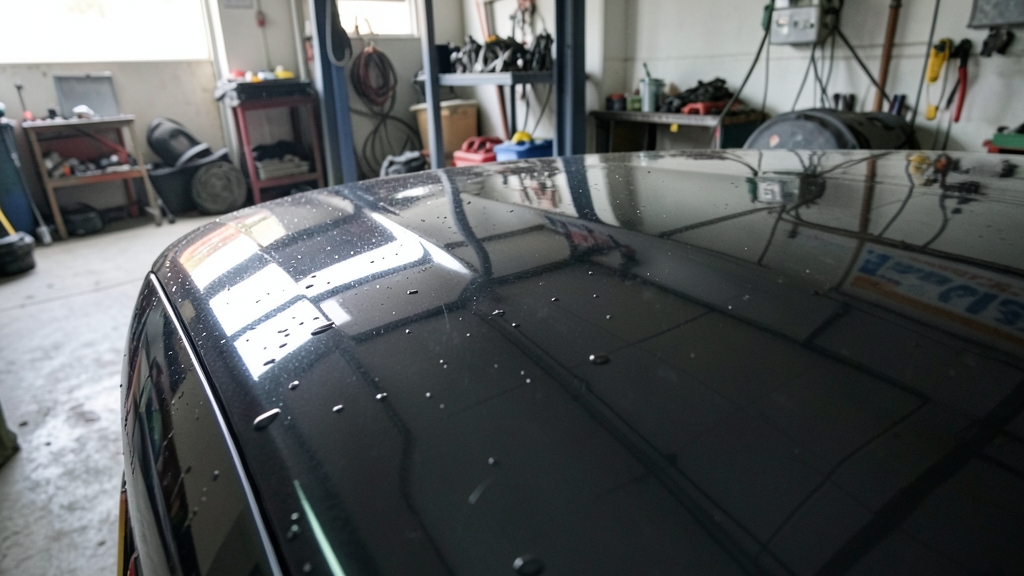
Houston’s harsh sun, road debris, and sudden downpours demand serious paint protection. Ceramic Coating and Paint Protection Film (PPF) both defend your vehicle, but they work differently—and one may fit your driving habits far better than the other.
How Ceramic Coating Protects Your Vehicle
We apply a liquid nano-ceramic polymer that chemically bonds with your car’s clear coat. Once cured, it forms a hydrophobic, glass-like layer that repels water, dirt, and contaminants.
This coating enhances gloss and depth, making your paint pop under Houston’s bright skies. It also resists UV fading, oxidation, and light scratches, but it’s not a shield against rock chips or deep scratches.
How Paint Protection Film (PPF) Works Differently
PPF is a thick, transparent urethane film applied to high-impact areas like the hood, bumper, and mirrors. It absorbs impacts from road debris, preventing chips and deep scratches that ceramic coatings can’t stop.
Modern PPF is self-healing—minor scratches disappear with heat from the sun or a warm garage. It’s nearly invisible but adds a textured or glossy finish, depending on the product.
Durability: Longevity in Houston’s Climate
A professional-grade ceramic coating lasts 2–5 years, with higher-end formulations reaching up to 7 years. Houston’s UV exposure and humidity can shorten this lifespan without proper maintenance.
PPF typically lasts 5–10 years, resisting yellowing and cracking even under constant sun. It handles the heat and sudden temperature swings common in Texas better than most coatings.
Protection Level: What Each Defends Against
Ceramic coatings excel at repelling water, bird droppings, and tree sap. They also simplify cleaning—dirt and grime slide off with a rinse, reducing the need for harsh chemicals.
PPF, however, is the heavyweight for physical damage. It stops rock chips, deep scratches, and even minor abrasions from automatic car washes. For full coverage, we often combine PPF on high-impact zones with a ceramic coating over the entire vehicle.
| Protection Type | Ceramic Coating | Paint Protection Film |
|---|---|---|
| UV Fading | ✓ Excellent | ✓ Excellent |
| Hydrophobic Properties | ✓ Excellent | △ Moderate |
| Scratch Resistance (Light) | ✓ Good | ✓ Excellent |
| Rock Chip Protection | ✗ None | ✓ Excellent |
| Self-Healing | ✗ None | ✓ Yes (minor scratches) |
| Chemical Resistance | ✓ Excellent | ✓ Excellent |
Aesthetics: Gloss vs. Invisibility
Ceramic coatings enhance your paint’s depth and clarity, giving it a showroom shine. They’re ideal for drivers who prioritize looks and ease of maintenance.
PPF is nearly invisible but can slightly alter the texture or gloss, depending on the finish. For a flawless look, we recommend pairing PPF with a ceramic coating to restore and amplify shine.
Combine PPF on the front end with a full-vehicle ceramic coating. This hybrid approach maximizes protection against chips and UV damage while keeping your car looking pristine.
Maintenance: Keeping Your Protection Intact
Ceramic coatings require regular washing with pH-neutral soaps to maintain their hydrophobic properties. Avoid automatic car washes with harsh brushes—they can degrade the coating over time.
PPF is low-maintenance but benefits from occasional cleaning to prevent dirt buildup at the edges. For both, we recommend annual inspections to address any wear or damage.
Maintenance Checklist for Long-Lasting Protection
- Wash with pH-neutral car soap every 2 weeks
- Avoid automatic car washes with abrasive brushes
- Apply a ceramic spray sealant every 3–6 months (for coatings)
- Inspect PPF edges for lifting or dirt accumulation annually
- Park in shaded or covered areas to extend lifespan
Cost Factors: What Drives the Price?
Ceramic coating costs vary based on the product tier (consumer vs. professional-grade), vehicle size, and whether paint correction is needed beforehand. Full-vehicle applications are more labor-intensive than partial treatments.
PPF pricing depends on coverage area (full front, full vehicle), film brand, and installation complexity. High-end films with self-healing properties or custom cuts for complex body lines add to the cost. For exact figures, request a quote—we tailor every job to your vehicle and needs.
Houston’s high humidity can affect curing times for ceramic coatings. We account for this in our process to ensure optimal bonding and durability.
Which Is Right for You? Houston-Specific Recommendations
If you drive mostly in the city with light exposure to debris, a ceramic coating may be all you need for gloss and UV protection. It’s also a great choice for daily drivers in areas like Sugar Land or Pearland where road conditions are milder.
For highway commuters in Katy or The Woodlands, or if you frequently park near construction zones, PPF on the front end is a smart investment. Off-road enthusiasts or those in high-traffic areas should consider full PPF coverage.
How to Decide Between Ceramic Coating and PPF in Houston
Determine the right protection for your vehicle and driving habits.
- 1Assess Your Driving Conditions
Consider your daily routes. Do you face heavy highway debris, construction zones, or frequent parking under trees? These factors favor PPF.
- 2Define Your Priorities
Decide what matters most: maximum gloss and ease of cleaning (ceramic coating) or ultimate physical protection (PPF).
- 3Evaluate Your Budget and Long-Term Plans
Ceramic coatings are generally more affordable upfront, while PPF offers long-term savings by preventing costly paint repairs. Think about how long you plan to keep the vehicle.
- 4Inspect Your Vehicle’s Current Condition
If your paint has swirl marks, oxidation, or scratches, we recommend paint correction before applying either protection. This ensures a flawless finish.
- 5Consult a Local Expert
Schedule a consultation with our team. We’ll examine your vehicle, discuss your needs, and recommend a suitable solution—or a combination of options.
Frequently Asked Questions
Can I apply ceramic coating over Paint Protection Film?
Yes, and we often recommend it. Applying a ceramic coating over PPF enhances its hydrophobic properties and makes maintenance easier. The coating bonds to the PPF’s surface, adding an extra layer of UV and chemical resistance.
Does Paint Protection Film yellow over time in Houston’s sun?
High-quality PPF from reputable brands is designed to resist yellowing, even under Houston’s intense UV exposure. Cheaper films may discolor faster, which is why we use premium materials with UV inhibitors.
How often should I reapply ceramic coating in Houston?
Professional-grade ceramic coatings typically last 3–5 years here, but factors like parking location, washing habits, and sun exposure can shorten this. We recommend annual inspections to assess the coating’s condition.
Is Paint Protection Film noticeable once installed?
Modern PPF is virtually invisible when installed correctly. Some films have a slight orange-peel texture, but high-end options offer a smooth, glossy finish that blends seamlessly with your paint.
Can I get PPF or ceramic coating on a leased vehicle?
Yes, both are safe for leased vehicles. PPF can even protect the paint from excessive wear, potentially saving you from end-of-lease penalties. Just ensure the installation is done professionally to avoid damage.
Do you offer Ceramic Coating Houston services for fleet or commercial vehicles?
Absolutely. We provide fleet and commercial vehicle coating services to protect your investment. Ceramic coatings and PPF are excellent for maintaining a professional appearance and reducing maintenance costs for business vehicles.