Ceramic Coating Reapplication Cost vs. Letting It Degrade in Houston in Ceramic Coating Houston, TX
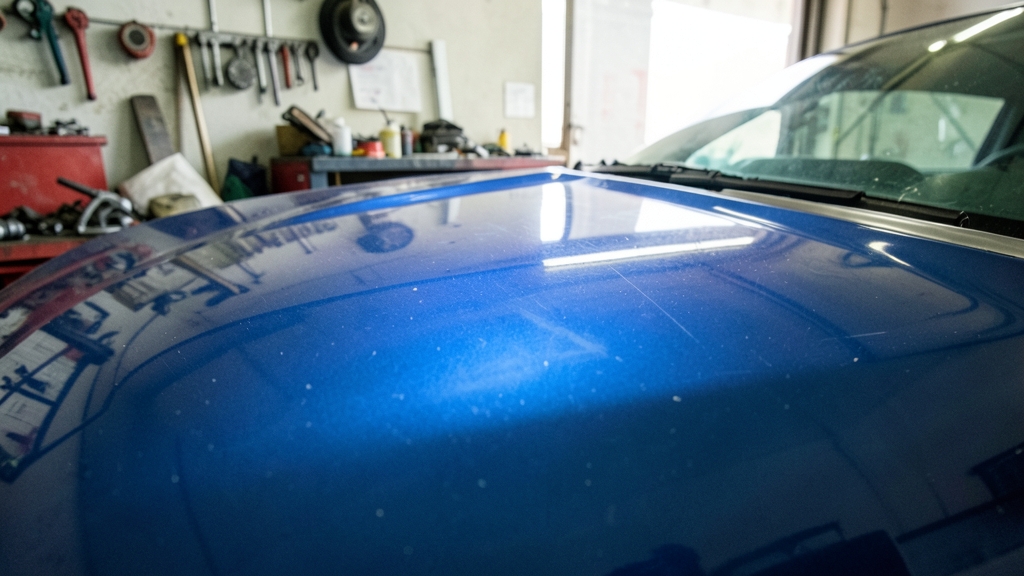
Houston’s relentless sun, humidity, and road grime accelerate ceramic coating breakdown. Reapplying it at the right time preserves your paint and resale value, while neglecting it leads to costly corrections down the road. We break down the real trade-offs for local drivers.
Why Ceramic Coatings Degrade Faster in Houston
Our extreme UV index and high humidity break down SiO2 and TiO2 bonds faster than in milder climates. The coating’s hydrophobic layer weakens, reducing water beading and self-cleaning efficiency.
Road salt, industrial fallout, and pollen—common in areas like Pasadena and Pearland—etch into the coating, creating micro-scratches that dull the finish. Some coatings lose 20-30% of their effectiveness within 2-3 years here.
Oxidation from constant sun exposure turns clear coats yellowish, especially on dark vehicles. Without a fresh ceramic layer, your paint absorbs more heat, accelerating fading.
Bird droppings and tree sap in neighborhoods like The Woodlands or Katy can permanently etch paint if the coating’s protection has lapsed. Always remove contaminants within 48 hours.
Signs Your Ceramic Coating Is Failing
Water no longer beads into tight, round droplets. Instead, it sheets or leaves streaks, a clear sign the hydrophobic top layer has worn thin.
Swirl marks and fine scratches appear more visible, even after washing. The coating’s gloss-enhancing properties fade as the nano-ceramic matrix degrades.
Stains from hard water or iron particles (common in Sugar Land’s tap water) bond to the surface. A healthy coating repels these, but a failing one lets them stick and require aggressive cleaning.
Cost Factors for Reapplying Ceramic Coating
Vehicle size and complexity drive labor time. A full-size truck or SUV in Katy requires more product and prep than a sedan, increasing costs.
Paint condition matters. If oxidation or swirls exist, we must perform paint correction before reapplication. Skipping this step traps defects under the new coating.
Coating tier affects longevity and price. Entry-level coatings last 1-2 years, while professional-grade nano-ceramic formulas (like those we use) can exceed 5 years with proper care.
| Coating Type | Expected Lifespan (Houston Climate) | Reapplication Frequency | Maintenance Effort |
|---|---|---|---|
| Consumer-Grade Spray | 6-12 months | Annually | High (frequent reapplication) |
| Entry-Level Professional | 1-2 years | Every 2 years | Moderate (regular washing) |
| Mid-Grade Professional | 3-4 years | Every 3-4 years | Low (bi-annual touch-ups) |
| Premium Nano-Ceramic | 5+ years | Every 5 years | Minimal (annual inspections) |
The Hidden Costs of Letting It Degrade
Paint correction becomes inevitable. Once the coating fails, swirls, oxidation, and etching require compounding and polishing to restore clarity. This process removes a thin layer of clear coat each time.
Resale value drops. Buyers in Houston’s competitive market notice neglected paint. A well-maintained coating can add 5-10% to your vehicle’s trade-in value, especially for luxury or collectible models.
Interior protection suffers too. Without a ceramic coating, UV rays penetrate windows, fading dashboards and leather. We often pair exterior coatings with ceramic window tint to block 99% of UV rays.
For commercial vehicles in Pearland or Pasadena, combining PPF on high-impact areas (hood, bumper) with ceramic coating on the rest balances cost and protection. Ask us about fleet packages.
Reapplication vs. Full Removal: What’s Right for You?
Reapplying over an existing coating is possible if the current layer is thin and still bonding well. We test adhesion with a water spot analysis and surface prep to ensure compatibility.
Full removal is necessary if the old coating has failed completely or was applied improperly. This involves clay bar treatment, chemical stripping, and sometimes light polishing to restore the surface.
For vehicles with PPF installed, reapplying ceramic coating on top of the film extends its lifespan. PPF protects against rock chips, while the coating adds hydrophobic and UV-resistant properties.
How Houston’s Seasons Affect Your Decision
Summer’s extreme heat (100°F+ days) accelerates curing but can also cause uneven bonding if applied in direct sunlight. We schedule reapplications in climate-controlled bays to avoid this.
Winter’s occasional cold snaps (rare but possible) slow curing times. Ideal application temperatures are between 60-80°F, which we maintain in our shop year-round.
Spring and fall bring pollen and dust storms. Reapplying before these seasons ensures your vehicle enters them with maximum protection against contaminants.
Maintenance Tips to Extend Your Coating’s Life
Wash your vehicle every 2 weeks using a pH-neutral car shampoo. Avoid automatic car washes with harsh brushes, which can strip the coating prematurely.
Use a ceramic-specific detail spray after washes to replenish hydrophobic properties. These sprays contain SiO2 boosters that temporarily restore water beading.
Post-Coating Care Essentials
- Use microfiber wash mitts and towels only
- Avoid wax or sealants (they interfere with bonding)
- Dry the vehicle immediately after washing to prevent water spots
- Apply a ceramic boost spray every 3-6 months
How to Decide If Your Ceramic Coating Needs Reapplication
Follow these steps to assess your coating’s condition and determine the right course of action.
- 1Perform the Water Test
Spray water on a clean, dry panel. If it beads into tight droplets, your coating is still active. If it sheets or leaves streaks, it’s time for reapplication.
- 2Inspect for Swirl Marks
Wash and dry your vehicle, then examine the paint under direct sunlight. Visible swirls or haze indicate the coating is no longer protecting the clear coat.
- 3Check for Contaminant Bonding
Run your finger over the surface after washing. If you feel roughness or see embedded particles, the coating’s self-cleaning properties have diminished.
- 4Assess Gloss Levels
Compare the shine of your vehicle to when the coating was new. A noticeable dullness means the nano-ceramic layer has degraded.
- 5Consult a Professional
Schedule an inspection with our team. We use specialized tools to measure coating thickness and adhesion, providing an accurate assessment.
Frequently Asked Questions
How often should I reapply ceramic coating in Houston?
Most professional-grade coatings last 3-5 years here, but we recommend annual inspections. Factors like parking location, driving habits, and maintenance routine can shorten or extend this window. Request a quote for a personalized estimate.
Can I apply a new ceramic coating over the old one in Ceramic Coating Houston?
Yes, if the existing coating is still bonding well and the surface is properly prepped. We’ll test adhesion and perform a light polish if needed. However, if the old coating has failed or was applied incorrectly, full removal is necessary.
Does ceramic coating prevent rock chips?
No, ceramic coatings add a hard layer but won’t stop rock chips. For full protection, we recommend pairing it with Paint Protection Film (PPF) on high-impact areas like the hood, bumper, and fenders. This combo is popular among drivers in Katy and The Woodlands.
What’s the difference between ceramic coating and wax?
Wax provides temporary shine and protection (lasting weeks), while ceramic coating bonds to the paint at a molecular level, offering years of UV and chemical resistance. Wax also requires frequent reapplication and doesn’t offer the same level of durability, especially in Houston’s climate.
Is ceramic coating worth it for older vehicles?
Absolutely, if the paint is in good condition. For older vehicles with oxidation or swirls, we’ll perform paint correction first. Ceramic coating can restore gloss and protect the paint, adding value and longevity. It’s a smart investment for classics or daily drivers in Sugar Land and beyond.
How do I maintain my ceramic coating between reapplications?
Stick to a regular washing schedule with pH-neutral shampoo, use ceramic-specific detail sprays, and avoid automatic car washes. Park in shaded areas or use a UV-protective car cover. For wheels, consider our ceramic wheel coating to prevent brake dust buildup.