How Long Does Ceramic Coating Last in Houston’s Climate in Ceramic Coating Houston, TX?
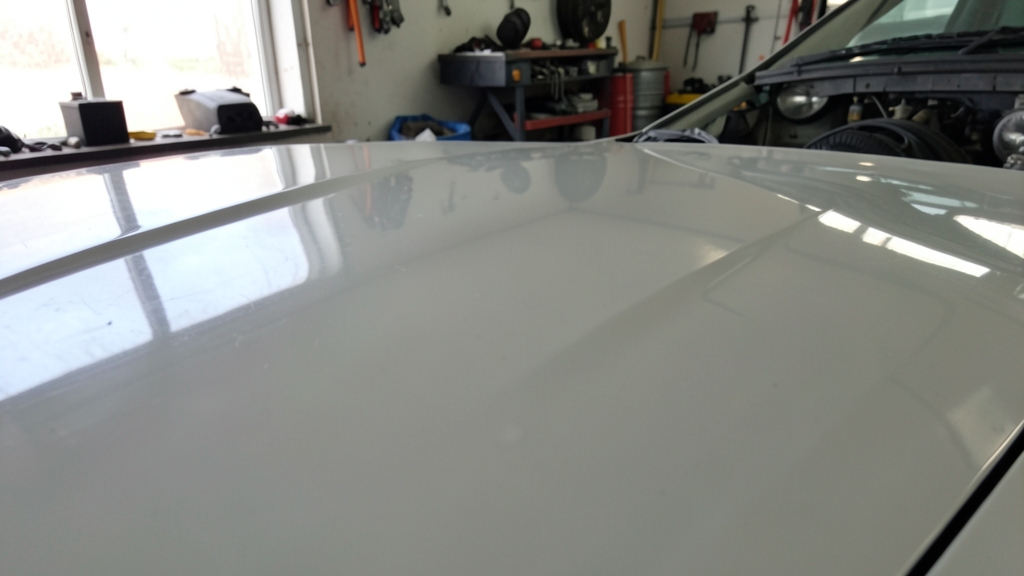
Houston’s intense sun, high humidity, and occasional salt air from the Gulf can test even the toughest automotive finishes. Ceramic coatings are built for this fight, but their lifespan depends on prep, product quality, and how well you maintain them.
Why Houston’s Climate Shortens Coating Life
The Texas sun bombards paint with UV rays year-round, accelerating oxidation and fading. Ceramic coatings with high SiO2 or TiO2 content block 99% of UV, but constant exposure still degrades the top layer over time.
Humidity and frequent rain leave mineral deposits that etch into unprotected clear coat. A proper ceramic coating repels water, but standing water spots can still form if the surface isn’t maintained.
Salt air from the Gulf—especially in areas like Pasadena or near the Ship Channel—speeds up corrosion on untreated metal. Coatings add a sacrificial layer, but they’re not invincible against prolonged exposure.
Typical Lifespans by Coating Type
Consumer-grade ceramic sprays last 6–12 months. They’re easy to apply but lack the depth and hardness of professional formulations.
Entry-level pro coatings (1–2 years) use lower concentrations of ceramic polymers. They improve gloss and water behavior but fade faster under Houston’s extremes.
Mid-tier coatings (3–5 years) balance cost and durability. These are popular for daily drivers in Houston, Sugar Land, and Katy, where owners want solid protection without premium pricing.
High-end coatings (5–7+ years) feature advanced cross-linking and higher solids content. They’re ideal for luxury or collector cars in The Woodlands or Pearland, where long-term value matters.
| Type | Lifespan (Houston Climate) | Hardness (Pencil Scale) | Hydrophobic Strength |
|---|---|---|---|
| Consumer Spray | 6–12 months | 2–4H | Moderate |
| Entry-Level Pro | 1–2 years | 6–7H | Strong |
| Mid-Tier Pro | 3–5 years | 8–9H | Very Strong |
| High-End Pro | 5–7+ years | 9H+ | Extreme |
Prep Work: The Hidden Factor in Longevity
No coating adheres well to contaminated paint. We always start with a thorough decontamination wash using iron removers and clay bars to pull embedded particles from the clear coat.
Paint correction is non-negotiable for maximum lifespan. Swirls, scratches, and oxidation must be polished out; otherwise, the coating locks in imperfections and fails prematurely.
For vehicles in high-exposure areas like coastal Houston or industrial zones near Pasadena, we often recommend a light polish even on newer cars. Factory clear coats can have micro-marring from transport and dealership prep.
Applying ceramic coating over unclean or uncorrected paint can cut its effective life by 50% or more. Always invest in proper prep.
Maintenance: Extending Your Coating’s Life in Houston
Wash your car every 1–2 weeks with a pH-neutral shampoo. Harsh soaps strip hydrophobic properties and break down the ceramic matrix faster in our alkaline water.
Use a ceramic-safe detail spray after washes to refresh water beading. This isn’t just cosmetic—it replenishes the top layer’s repellency, which degrades with UV and pollution.
Avoid automatic car washes with brushes. The abrasion wears down the coating’s top layer, especially in areas like Katy or The Woodlands where dust and pollen are heavy.
Houston Ceramic Coating Maintenance Essentials
- Wash biweekly with pH-neutral soap
- Dry with microfiber towels to prevent water spots
- Apply ceramic boost spray every 3–4 months
- Avoid brush car washes and harsh chemicals
- Park in shade or use a car cover to limit UV exposure
When to Reapply or Refresh
You’ll notice the first sign of degradation: water stops beading uniformly. This usually happens on horizontal surfaces first, like hoods and roofs, due to direct UV exposure.
Gloss reduction is another red flag. If your paint looks duller even after washing, the coating’s top layer may be thinning. A light polish and reapplication of a top-up spray can restore performance.
For full reapplication, we assess the coating’s condition with a paint thickness gauge and water test. If the base layer is still intact, we can often refresh with a new top coat instead of a full strip and redo.
Catching degradation early means you may only need a maintenance coat. Waiting until the coating fails completely requires full removal and reapplication.
How Other Services Impact Coating Longevity
Pairing ceramic coating with paint protection film (PPF) in high-impact areas—like the front bumper, hood, and fenders—adds a physical barrier against chips and scratches. This combo is popular in Sugar Land and Pearland for daily drivers.
Wheel and brake caliper ceramic coatings face extreme heat and brake dust. Our team uses heat-resistant formulas to prevent discoloration and peeling, extending their life to 2–3 years even with aggressive driving.
Interior ceramic protection for leather, vinyl, and plastics resists UV fading and stains. In Houston’s heat, this keeps dashboards and seats looking new longer, especially in vehicles parked outside often.
Real-World Results in Houston and Beyond
We’ve seen mid-tier coatings on daily drivers in The Woodlands last 4+ years with proper care. The key is consistent maintenance and avoiding neglect during pollen season or after storms.
Luxury and exotic cars in Katy and Memorial often opt for high-end coatings with annual inspections. These vehicles see less daily wear but demand maximum gloss and protection, which justifies the premium investment.
Fleet vehicles in Pasadena and industrial zones benefit from ceramic coatings paired with frequent washes. The coating’s chemical resistance helps against road grime and industrial fallout, reducing long-term paint damage.
How to Check If Your Ceramic Coating Is Still Working
A quick at-home test can reveal whether your coating is still protecting your paint.
- 1Water Beading Test
Spray water on a clean, dry panel. If water forms tight beads that roll off easily, your coating is active. Flat sheets or slow runoff indicate degradation.
- 2Sheeting Test
After the beading test, observe how water sheets off. Properly maintained coatings create a ‘self-cleaning’ effect, pulling dirt away as water slides.
- 3Gloss Inspection
Compare the coated area’s shine to an uncoated section (like inside the door jamb). Dullness or hazing suggests the coating’s top layer is wearing thin.
- 4Finger Swipe
Lightly drag a clean finger across the surface after washing. A well-maintained coating feels slick; roughness or drag means it’s time for a refresh.
- 5Contaminant Check
Run a microfiber towel over the paint after drying. If it picks up grit or leaves streaks, the coating’s hydrophobic properties are weakening.
Frequently Asked Questions
Does Houston’s humidity affect ceramic coating performance?
Yes, high humidity can lead to water spots and mineral deposits that challenge the coating’s hydrophobic layer. Regular washing and drying mitigate this, but standing water can still etch if left too long.
Can I apply ceramic coating over existing PPF in Houston?
Absolutely. Applying ceramic coating over paint protection film enhances its hydrophobic properties and UV resistance. This combo is common for high-end vehicles in areas like The Woodlands, where owners want maximum protection.
How often should I reapply ceramic coating in Ceramic Coating Houston?
For professional-grade coatings, plan on a full reapplication every 3–5 years, depending on the product and maintenance. Annual inspections help catch early signs of degradation so you can refresh before full failure.
Will ceramic coating prevent paint chips from Houston’s rough roads?
Ceramic coatings add hardness and scratch resistance, but they won’t stop rock chips. For that, we recommend pairing the coating with paint protection film on high-impact areas like the front bumper and hood.
Is ceramic coating worth it for fleet vehicles in Pasadena or Sugar Land?
Yes, especially for fleets exposed to harsh conditions. The coating’s resistance to chemicals, UV, and grime reduces long-term paint damage and maintenance costs, making it a smart investment for commercial vehicles.
What ceramic coating suits Houston’s extreme heat?
Look for high-end coatings with advanced UV inhibitors and thermal stability. Products with TiO2 or graphene-enhanced formulas hold up better under constant sun exposure, which is critical in our climate.