Ceramic Coating Houston: The Ultimate Shield Against Sun Fading and UV Damage
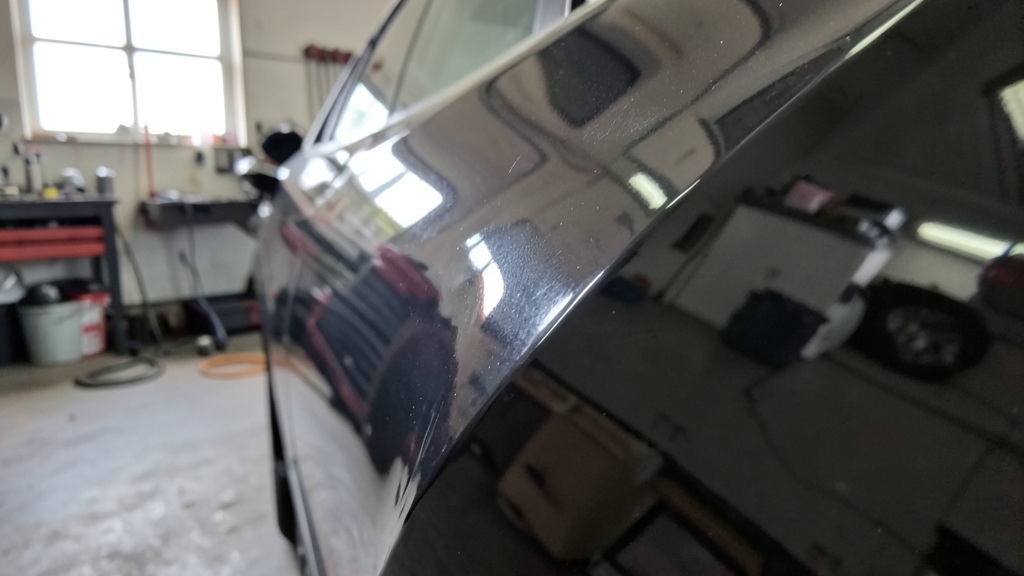
Houston’s relentless sun doesn’t just bake the asphalt—it bakes your car’s paint. Without protection, UV rays break down clear coat and pigment, leaving your finish dull, oxidized, and faded. We stop that damage at the source with professional-grade ceramic coating, engineered to reflect UV and lock in showroom shine for years.
Why Houston’s Sun Is Your Paint’s Worst Enemy
Houston averages over 200 sunny days a year, with UV indexes that spike well above 10 in summer. That’s extreme exposure for automotive paint, which starts degrading the moment it leaves the factory.
UV radiation penetrates clear coat, breaking chemical bonds in the paint. Over time, this causes oxidation—a chalky, faded look that no amount of wax can reverse.
Heat amplifies the damage. Parked cars in The Woodlands or Katy can hit 140°F inside, while exterior surfaces exceed 180°F. That thermal stress accelerates paint failure.
How Ceramic Coating Blocks UV and Preserves Color
Our ceramic coatings use nano-ceramic polymers that form a transparent, glass-like layer over your paint. This barrier reflects up to 99% of UV rays, preventing them from reaching the clear coat.
Unlike waxes or sealants that degrade in weeks, ceramic coatings bond molecularly with the paint. They won’t wash off, melt, or break down under Houston’s heat.
The 9H hardness rating means the coating resists minor scratches and swirl marks, but its real power is in UV deflection. Your color stays deeper, richer, and more vibrant for 2–5 years.
For maximum impact, we always recommend paint correction before applying ceramic coating. This removes existing oxidation, swirls, and imperfections, ensuring the coating bonds to a flawless surface.
Ceramic Coating vs. Wax vs. Sealants vs. PPF
Not all paint protection is equal. Waxes and synthetic sealants offer temporary shine and minor UV resistance, but they last weeks, not years.
Paint Protection Film (PPF) provides physical defense against rock chips and deep scratches, but it lacks the hydrophobic and UV-reflective properties of ceramic coatings. Many of our clients in Sugar Land and Pearland opt for both—PPF on high-impact areas and ceramic coating everywhere else.
Ceramic window tint complements full-vehicle coatings by blocking UV inside the cabin, protecting dash materials and preventing interior fading.
| Method | UV Protection | Durability | Scratch Resistance | Hydrophobic |
|---|---|---|---|---|
| Ceramic Coating | Excellent (99% UV reflection) | 2–5 years | High (9H hardness) | Yes |
| Carnauba Wax | Minimal | 4–8 weeks | Low | Moderate |
| Synthetic Sealant | Moderate | 4–6 months | Low | Moderate |
| Paint Protection Film (PPF) | Good (physical barrier) | 5–10 years | Very High | No |
The Science Behind the Shine: How Coatings Work at a Molecular Level
Ceramic coatings rely on silicon dioxide (SiO2) or titanium dioxide (TiO2) nanoparticles. When applied, these particles fill microscopic pores in the paint, creating a smooth, ultra-hard surface.
The curing process involves a chemical reaction with atmospheric moisture, forming a cross-linked matrix. This isn’t a surface layer—it’s a permanent bond that won’t peel or flake.
The result? A surface so slick that water, dirt, and contaminants bead up and slide off. That means less washing, less water spotting, and a finish that stays cleaner longer.
Full curing takes 24–48 hours. During this period, avoid washing the car or exposing it to rain. Premature contact with water can disrupt the bonding process.
Beyond Paint: Full-Vehicle Protection for Houston Drivers
We don’t stop at the body. Wheel and brake caliper ceramic coating resists brake dust and high-temperature discoloration, keeping your wheels looking new.
Interior ceramic protection shields dash, leather, and trim from UV fading and cracking. Headlight restoration and coating reverses yellowing while adding a UV-blocking layer to prevent future haze.
For fleet and commercial vehicles in Pasadena or Katy, our coatings reduce maintenance time and costs by repelling grime, road salt, and industrial fallout.
What to Expect During and After Application
Every project starts with a thorough wash and decontamination to remove embedded dirt, iron particles, and tar. This ensures the coating adheres properly.
Paint correction follows, using compounds and polishes to eliminate swirls, scratches, and oxidation. Skipping this step means sealing in imperfections.
Application is done in a climate-controlled bay to prevent dust contamination. Multiple layers may be applied for enhanced durability, especially on high-end or dark-colored vehicles.
Maintenance: Keeping Your Coating in Peak Condition
Ceramic coatings aren’t maintenance-free, but they drastically reduce upkeep. Wash your car with a pH-neutral shampoo to avoid stripping the coating.
Avoid automatic car washes with harsh brushes or strong chemicals. These can degrade the hydrophobic layer over time.
For extra gloss, use a ceramic-safe spray sealant every few months. This boosts water-beading and extends the coating’s life.
Ceramic Coating Care Essentials
- Wash with pH-neutral car shampoo
- Use microfiber wash mitts and towels
- Dry immediately to prevent water spots
- Avoid wax or polish with abrasives
- Reapply spray sealant every 3–4 months
How to Choose the Right Ceramic Coating for Your Vehicle
Not all coatings are created equal—here’s how to pick the right one for your needs.
- 1Assess Your Paint Condition
If your paint has heavy oxidation, swirls, or scratches, start with paint correction. Applying coating over damaged paint locks in flaws.
- 2Determine Your Goals
For maximum UV protection and longevity, opt for a professional-grade coating with 9H hardness. For budget-friendly options, consumer-grade coatings offer shorter durability.
- 3Consider Your Driving Environment
Houston’s heat and humidity demand a coating with strong heat resistance and hydrophobic properties. If you frequently drive in Katy or Sugar Land, prioritize coatings with self-cleaning effects.
- 4Evaluate Additional Protection Needs
Think about pairing ceramic coating with PPF for high-impact areas or adding ceramic window tint to protect your interior from UV damage.
- 5Consult a Professional
Our team can assess your vehicle’s specific needs and recommend the right coating formula, layers, and maintenance plan.
Frequently Asked Questions
How long does ceramic coating last in Houston’s climate?
With proper maintenance, professional ceramic coatings last 2–5 years in Houston. The intense sun and heat can shorten the lifespan slightly, but regular washing and sealant reapplication help extend it.
Will ceramic coating prevent my car from fading?
Yes. Ceramic coatings reflect up to 99% of UV rays, which are the primary cause of paint fading and oxidation. This keeps your color vibrant and your clear coat intact far longer than unprotected paint.
Can ceramic coating be applied over existing paint protection film (PPF)?
Absolutely. In fact, we often recommend this combo. PPF protects against physical damage like rock chips, while ceramic coating adds UV resistance, hydrophobic properties, and extra gloss. It’s a popular choice for luxury vehicles in The Woodlands and Pearland.
Does ceramic coating work on matte or satin finishes?
Yes, but it requires a specialized matte-specific ceramic coating. Standard coatings can add unwanted gloss to matte paint. We carry formulas designed to preserve the flat or satin look while still providing UV and chemical protection.
How much does ceramic coating cost in Houston?
The cost depends on several factors: vehicle size, paint condition, number of layers, and whether you include add-ons like paint correction or PPF. Darker colors and larger vehicles (like trucks or SUVs) often require more product and labor. Request a quote for an exact estimate tailored to your car.
Is ceramic coating worth it for older cars in Houston?
If your paint is still in decent shape, yes. Ceramic coating can restore and preserve the finish, adding years of life to older vehicles. However, if the paint is heavily oxidized or peeling, paint correction or a respray may be needed first.