The Best Spray Sealants to Refresh Your Ceramic Coating in Houston in Ceramic Coating Houston, TX
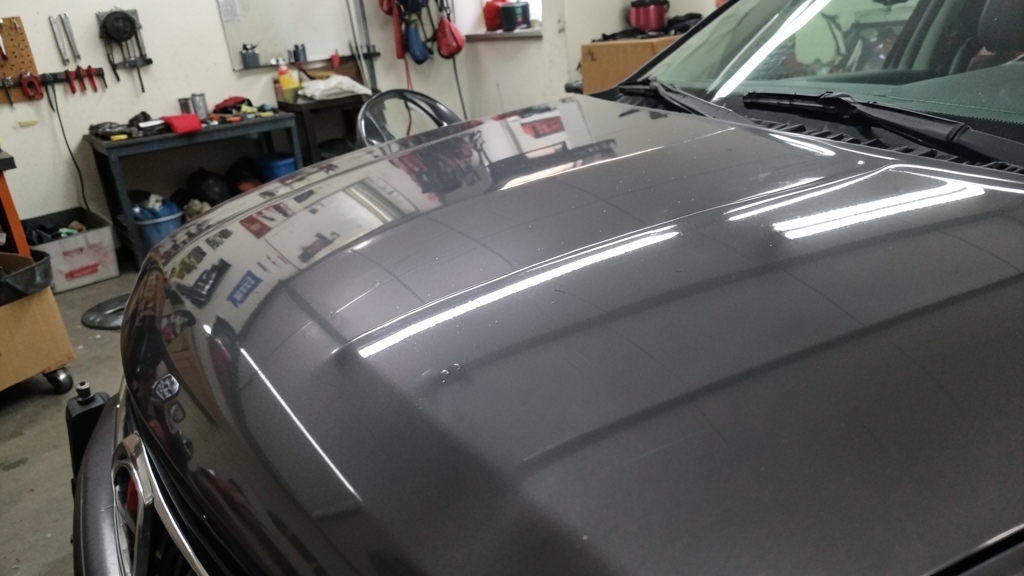
Ceramic coatings don’t last forever, especially under Houston’s harsh sun and humidity. The right spray sealant can restore hydrophobicity, gloss, and UV resistance between professional applications. We’ll break down top options and how to use them effectively.
Why Your Ceramic Coating Needs a Refresh in Houston
Houston’s intense UV rays and high humidity accelerate the breakdown of ceramic coatings. Even premium coatings lose their hydrophobic edge over time.
A spray sealant acts as a sacrificial layer, topping off the coating’s SiO2 or graphene matrix. It revives bead behavior and adds months of protection without a full reapplication.
What to Look for in a Spray Sealant
Prioritize products with high SiO2 (silicon dioxide) or TiO2 (titanium dioxide) content. These bind to your existing coating and enhance durability.
Avoid fillers or cheap polymers. Quality sealants also include UV inhibitors and anti-oxidants to combat Houston’s relentless sun exposure.
Hydrophobic performance is key—look for contact angles above 110° for true water beading. Gloss enhancers are a bonus for that showroom shine.
For dark vehicles in Pasadena or Pearland, opt for sealants with added anti-swirl agents to mask minor marring between paint corrections.
Top Spray Sealants for Ceramic Coating Maintenance
Not all spray sealants are equal. We’ve tested dozens under local conditions—here’s what consistently performs.
| Product | SiO2 Content | Hydrophobicity (Contact Angle) | Durability | Best For |
|---|---|---|---|---|
| Gyeon Ceramic Coating Spray Sealant | High (30-40%) | 120°+ | 4-6 months | Long-term UV protection |
| CarPro Elixir SiO2 Spray Sealant | Moderate (20-30%) | 115°+ | 3-5 months | Gloss enhancement |
| Turtle Wax Hybrid Solutions Ceramic Spray Coating | Low (10-15%) | 110°+ | 2-4 months | Budget-friendly refresh |
| Adam’s Ceramic Spray Coating | High (35-45%) | 125°+ | 5-7 months | Extreme hydrophobicity |
| Meguiar’s Hybrid Ceramic Detailer | Moderate (15-25%) | 110°+ | 3 months | Quick detailer + sealant |
How Houston’s Climate Affects Your Choice
The Woodlands and Katy see more tree sap and pollen. Sealants with anti-contaminant properties (like Gyeon’s) prevent staining between washes.
Sugar Land’s heat domes demand sealants with thermal stability. TiO2-based options resist yellowing under extreme temps.
Coastal areas near Pasadena benefit from salt-resistant formulations. Always rinse vehicles after rain to extend sealant life.
Never apply spray sealants over dirty or oxidized paint. A thorough wash and decontamination (clay bar or iron remover) are mandatory first steps.
Spray Sealant vs. Full Ceramic Coating Reapplication
A spray sealant is a temporary boost, not a replacement. Full ceramic coatings (like those we apply in The Woodlands or Pearland) last 2-5 years with proper care.
Sealants are ideal for maintaining gloss and hydrophobicity between professional services. They’re also perfect for touch-ups after paint correction or PPF installation.
For heavily oxidized or swirled paint, skip the sealant and opt for paint correction first. Sealants won’t hide imperfections—they’ll amplify them.
Prep Work: The Key to Sealant Success
Start with a foam cannon wash to remove surface grime. Use a pH-neutral shampoo to avoid stripping existing coatings.
Decontaminate with a clay bar or iron remover. Houston’s roads are notorious for embedded brake dust and industrial fallout.
Dry the vehicle with a microfiber towel or blower. Any moisture left behind will prevent the sealant from bonding properly.
Pre-Application Checklist
- Wash with pH-neutral shampoo
- Clay bar decontamination
- Iron remover treatment (if needed)
- Dry thoroughly with microfiber towels
- Work in a shaded, dust-free area
Application Techniques for Maximum Longevity
Apply sealant in small sections (2x2 ft) using a high-quality microfiber applicator. Overlapping strokes ensure even coverage.
Buff off excess with a clean microfiber towel after the product hazes (usually 1-2 minutes). Residue left behind will streak and reduce effectiveness.
For wheels and brake calipers, use a dedicated ceramic wheel sealant. Houston’s brake dust is abrasive and requires extra protection.
How to Apply a Spray Sealant Over Ceramic Coating
Follow these steps to refresh your coating like a pro.
- 1Wash and Decontaminate
Use a pH-neutral shampoo and clay bar to remove all surface contaminants. Dry completely.
- 2Test a Small Area
Apply a small amount of sealant to an inconspicuous area to check for compatibility and desired results.
- 3Apply in Sections
Spray or apply the sealant to a 2x2 ft section. Use a microfiber applicator for even distribution.
- 4Buff to a Shine
After the sealant hazes (1-2 minutes), buff with a clean microfiber towel using light pressure.
- 5Allow to Cure
Avoid water exposure for at least 12 hours. Full bonding takes 24-48 hours.
- 6Reapply as Needed
Monitor water beading. Reapply every 2-4 months, or sooner if hydrophobicity fades.
Frequently Asked Questions
How often should I refresh my ceramic coating with a spray sealant in Houston?
In Houston’s climate, we recommend refreshing every 2-3 months. High humidity and UV exposure break down sealants faster than in milder regions. For vehicles in Katy or Sugar Land, where heat is extreme, lean toward the 2-month mark.
Can I use a spray sealant on paint protection film (PPF)?
Yes, but choose a sealant specifically designed for PPF. Standard ceramic sealants may leave residues or reduce the film’s self-healing properties. We often apply sealants to PPF in The Woodlands to enhance gloss and hydrophobicity.
Will a spray sealant fix water spots or etching on my ceramic coating?
No. Spray sealants are maintenance products, not corrective ones. Water spots or etching require paint correction or, in severe cases, a full coating reapplication. Always address these issues before applying a sealant.
What’s the difference between a spray sealant and a ceramic coating booster?
Spray sealants are standalone products that add a temporary protective layer. Boosters (like CarPro Elixir) are designed to rejuvenate existing ceramic coatings by replenishing their SiO2 content. Both serve similar purposes, but boosters integrate better with your original coating.
Can I apply a spray sealant to my ceramic-coated wheels and brake calipers?
Absolutely. Wheels and calipers endure extreme heat and brake dust, which degrade coatings faster. Use a dedicated wheel or caliper sealant for best results. We often recommend this for fleet vehicles in Pasadena to extend maintenance intervals.
Do spray sealants work on interior ceramic coatings?
No. Interior ceramic coatings (for dashboards, leather, or plastics) require different formulations. Spray sealants are designed for exterior paint and should not be used indoors. For interior protection, opt for a dedicated ceramic interior detailer.