The Best Microfiber Towels for Drying Your Ceramic Coated Car in Houston in Ceramic Coating Houston, TX
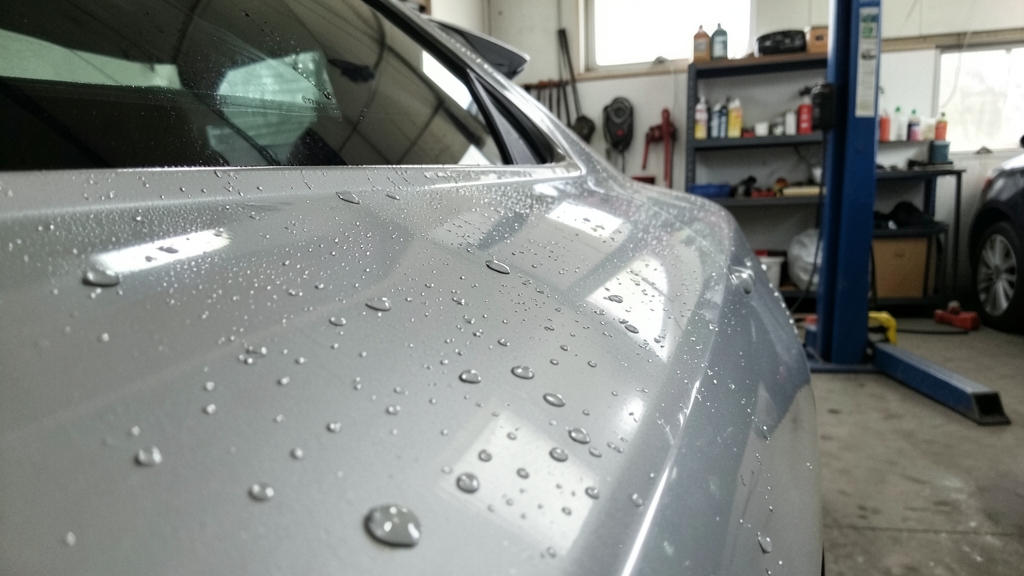
Drying a ceramic coated car in Houston’s humidity demands the right tools. Poor towels leave water spots or micro-scratches, undoing the protection your coating provides. We’ll show you which microfiber towels preserve your finish and how to use them like a pro.
Why the Right Microfiber Matters for Ceramic Coated Cars
Ceramic coatings create a hydrophobic surface, but they’re not invincible. Abrasive or low-quality towels can introduce swirls, especially on fresh coatings or dark paints.
Houston’s high humidity means water lingers longer, increasing the risk of mineral deposits if you don’t dry quickly and safely. The wrong towel turns a protective layer into a liability.
Key Features of High-Quality Microfiber for Ceramic Coatings
Look for **70/30 or 80/20 polyester-polyamide blends**. The polyamide (nylon) adds softness and absorbency, critical for lifting dirt without scratching.
GSM (grams per square meter) matters: **300–500 GSM** is ideal for drying. Below 300 GSM lacks plushness; above 600 GSM can hold too much grit.
Short-nap or waffle-weave towels are best. Long naps trap debris; waffle weaves channel water away from the surface.
| Feature | Recommended Range | Why It Matters |
|---|---|---|
| Blend Ratio | 70/30 or 80/20 Polyester/Polyamide | Balances softness and durability |
| GSM | 300–500 | Enough absorbency without excess bulk |
| Nap Length | Short or Waffle Weave | Minimizes debris retention |
| Edging | Sewn or Laser-Cut | Prevents fraying and lint |
Top Microfiber Towel Types for Ceramic Coating Houston Vehicles
Waffle-weave towels excel in humidity. Their grid pattern lifts water off the surface, reducing contact time and the risk of water spots on your coating.
Plush microfiber (400+ GSM) is great for final drying after a two-bucket wash. It’s gentle enough for fresh Paint Correction & Polishing jobs in Pasadena or Sugar Land.
For wheels and brake calipers—common add-ons with Wheel & Brake Caliper Ceramic Coating—use smaller, dedicated towels to avoid cross-contamination.
Never use the same towel for paint, wheels, and glass. Dedicated towels prevent embedded brake dust or glass particles from scratching your ceramic coating.
What to Avoid: Towels That Damage Ceramic Coatings
Cheap, thin microfiber (under 200 GSM) lacks the structure to absorb water safely. They push dirt across the surface, causing micro-scratches over time.
Terry cloth or cotton towels are too abrasive. Even “soft” cotton can leave lint and swirls on hydrophobic surfaces, especially in Pearland’s dusty conditions.
Towels with open seams or loose fibers shed lint. This is a nightmare for dark vehicles with Full-Vehicle Ceramic Coating, where every speck shows.
Some towels claim high GSM but use low-quality fibers. Test by running your hand over the surface—real high-GSM microfiber feels dense and consistent.
Drying Techniques to Protect Your Ceramic Coating
Use the **blotting method**, not dragging. Press the towel onto the surface, lift, and repeat. This prevents swirls and lets the coating’s hydrophobicity do the work.
Start from the top and work down. Houston’s heat can cause water to evaporate quickly, leaving spots if you linger too long in one area.
For vehicles with Paint Protection Film (PPF) Installation, use a separate towel. PPF has different friction properties and can trap debris differently than ceramic coatings.
Maintaining Your Microfiber Towels for Longevity
Wash towels **separately** from other laundry. Use a mild, fragrance-free detergent—no fabric softeners, which coat fibers and reduce absorbency.
Wash in warm water (not hot) and air-dry or tumble dry on low. High heat can melt the fibers, ruining the nap.
Replace towels every 6–12 months, or sooner if they lose absorbency or start leaving lint. This is especially true for fleets in The Woodlands or Katy, where towels see heavy use.
Microfiber Towel Care Checklist
- Wash separately from other laundry
- Use fragrance-free, microfiber-safe detergent
- Avoid fabric softeners and bleach
- Air-dry or use low heat
- Inspect for embedded debris before each use
Local Considerations for Ceramic Coating Houston Drivers
Houston’s humidity means you’ll need more towels on hand. Keep at least 2–3 high-quality drying towels in your garage for quick rotation during the rainy season.
If you’re in areas like Sugar Land or Pearland, where dust storms are common, pre-rinse your car with the **two-bucket method** before drying to remove abrasive particles.
For commercial or fleet vehicles, consider **Interior Ceramic Protection** towels for dashboards and seats. These are often softer and lint-free compared to exterior towels.
How to Dry a Ceramic Coated Car Without Swirls
Follow these steps to dry your vehicle safely and preserve your ceramic coating’s integrity.
- 1Prep Your Towels
Lay out 2–3 clean, high-GSM microfiber towels. Shake them out to remove any embedded debris from storage.
- 2Rinse Thoroughly
Use the two-bucket method with grit guards to remove all loose dirt. Ceramic coatings repel water, but not embedded contaminants.
- 3Blot, Don’t Drag
Press the towel onto the surface and lift straight up. Repeat in sections, working from the roof down to the lower panels.
- 4Use a Second Towel for Stubborn Water
For areas like mirrors or door jambs, switch to a fresh towel. This prevents cross-contamination from the first pass.
- 5Finish with a Detail Spray (Optional)
Mist a ceramic-safe detail spray onto a fresh towel and give the car a final wipe. This enhances shine and adds a hydrophobic boost.
Frequently Asked Questions
Can I use a leaf blower to dry my ceramic coated car in Houston?
A leaf blower can help remove water from crevices, but it doesn’t replace microfiber towels. Always follow up with a towel to catch any remaining water or debris. Be cautious—high-speed air can push dust into the paint.
How often should I replace microfiber towels for my ceramic coating?
Replace drying towels every 6–12 months, depending on use. If they start leaving lint, streaks, or feel rough, it’s time for new ones. For frequent washes, rotate towels weekly to extend their life.
Are waffle-weave towels better than plush microfiber for ceramic coatings?
Waffle-weave towels excel at lifting water quickly, making them ideal for Houston’s humidity. Plush microfiber is better for final polishing after a wash. Use both: waffle-weave for bulk water removal, plush for the final dry.
What’s a good way to dry a ceramic coated car after rain?
Use a **quick detailer spray** and a clean microfiber towel. The spray adds lubrication, reducing the risk of scratches from rain-borne contaminants. Avoid drying in direct sunlight to prevent water spots.
Can I use the same towel for my ceramic coated car and my Paint Protection Film?
No. PPF and ceramic coatings have different surface properties. Use dedicated towels for each to avoid transferring debris or chemicals that could affect either protective layer.
Do I need special towels for my ceramic coated wheels in Houston?
Yes. Wheels accumulate brake dust and road grime, which can scratch paint if transferred via a towel. Use separate, **lower-GSM towels** (200–300 GSM) for wheels and brake calipers to avoid cross-contamination.