Why Houston Urban Drivers Trust Nano-Ceramic Coatings in Ceramic Coating Houston, TX
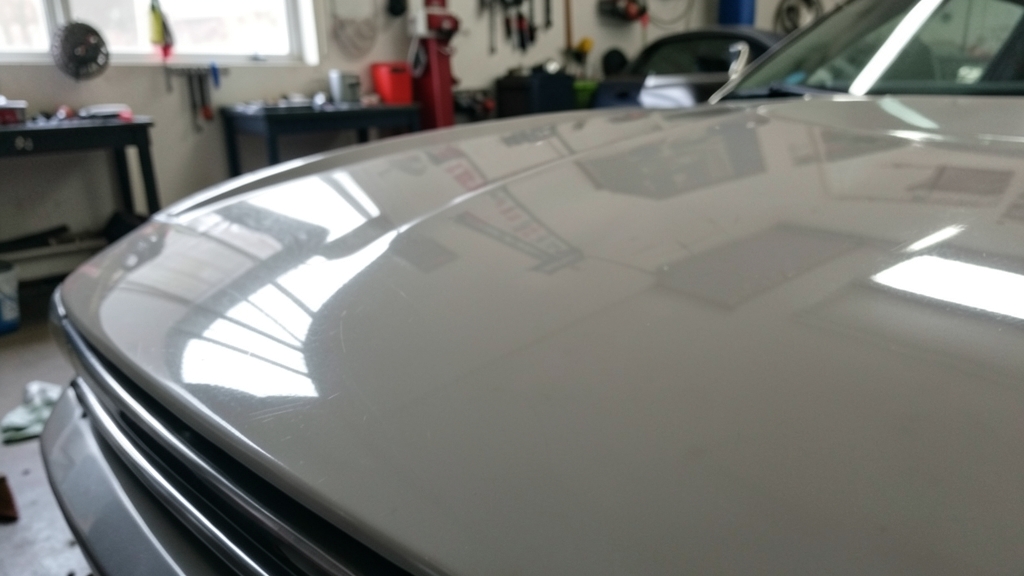
Houston’s urban drivers face a daily gauntlet: relentless sun, humidity, road grime, and industrial fallout. Nano-ceramic coatings create a molecular shield that repels contaminants, resists UV fading, and keeps your paint glossy with minimal upkeep. We’ll break down why this technology is a game-changer for local vehicles.
What Are Nano-Ceramic Coatings?
Nano-ceramic coatings are liquid polymers infused with silicon dioxide (SiO2) or titanium dioxide (TiO2) nanoparticles. When applied to automotive paint, they chemically bond to form a hydrophobic, ultra-durable layer.
This layer isn’t just a barrier—it’s a semi-permanent enhancement. Unlike traditional waxes or sealants, it won’t break down after a few washes. Expect 2 to 5 years of protection, depending on product grade and maintenance.
How Houston’s Climate Accelerates Paint Damage
Our region’s high humidity and intense UV exposure accelerate oxidation, fading, and clear-coat degradation. Without protection, paint loses its depth and becomes prone to etching from acidic contaminants like bug splatter or bird droppings.
Urban drivers in areas like downtown Houston or The Woodlands also battle industrial pollutants and road salts. These cling to paint, embedding into microscopic pores and causing long-term damage.
Once oxidation or etching appears, it’s often too late for coatings alone. Paint correction is frequently required before applying nano-ceramic layers.
Top 5 Benefits for Urban Houston Drivers
Hydrophobic properties mean water beads and rolls off, carrying dirt with it. This self-cleaning effect reduces the need for frequent washes—critical in a city where water spots from sprinklers or rain are a daily nuisance.
9H hardness ratings (pencil scale) resist light scratches from car washes or stray shopping carts. While not a substitute for paint protection film in high-impact zones, it adds a robust defense against swirl marks.
UV resistance prevents fading and discoloration, preserving your vehicle’s resale value. In Houston’s sun-soaked neighborhoods like Sugar Land or Katy, this is non-negotiable.
Nano-Ceramic Coating Advantages
- Repels water, oil, and grime with hydrophobic layer
- Blocks 99% of UV rays to prevent paint oxidation
- Enhances gloss and depth for a showroom finish
- Resists chemical stains from bird droppings, tree sap, and road tar
- Reduces maintenance time with easier cleaning
Nano-Ceramic vs. Traditional Wax or Sealants
Traditional carnauba wax lasts 1-3 months and offers minimal UV protection. Synthetic sealants extend that to 6-12 months but lack the hardness and hydrophobic intensity of nano-ceramic coatings.
Ceramic coatings bond at a molecular level, creating a semi-permanent layer. They outperform wax in durability, gloss, and protection—but require professional application for optimal results.
| Feature | Carnauba Wax | Synthetic Sealant | Nano-Ceramic Coating |
|---|---|---|---|
| Duration | 1-3 months | 6-12 months | 2-5+ years |
| UV Protection | Minimal | Moderate | High |
| Hydrophobic Effect | Low | Moderate | Extreme |
| Scratch Resistance | None | Low | High (9H) |
| Chemical Resistance | Poor | Fair | Excellent |
| Application Difficulty | DIY-friendly | DIY-friendly | Professional recommended |
Where Nano-Ceramic Coatings Shine in Houston
Downtown drivers battle concrete dust and exhaust residue. A ceramic coating prevents these contaminants from bonding to paint, making weekly washes more effective.
In suburban areas like Pearland or Pasadena, tree sap and pollen are constant threats. The coating’s slick surface prevents these from adhering, reducing the risk of stains or etching.
For fleet vehicles in commercial zones, coatings minimize downtime for cleaning. The same applies to luxury or classic cars in The Woodlands, where preservation is key.
What Nano-Ceramic Coatings Don’t Do
They’re not invincible. Heavy impacts from rocks or keys will still chip paint. For full protection against physical damage, pair coatings with paint protection film (PPF) on high-risk areas like hoods and bumpers.
They also don’t eliminate the need for maintenance. While they reduce washing frequency, regular decontamination (e.g., iron-removing sprays) is still required to maintain performance.
Avoid automatic car washes with harsh brushes. Opt for touchless or hand-wash methods to preserve the coating’s integrity.
Complementary Services for Maximum Protection
Paint correction is often step one. Swirl marks, scratches, or oxidation must be addressed before applying a ceramic coating to ensure a flawless finish.
For wheels and brake calipers, dedicated ceramic coatings resist brake dust and high-temperature discoloration. Interior ceramic protection shields dashboards and leather from UV cracking.
Ceramic window tint reduces heat and UV penetration, while headlight restoration and coating improve visibility and prevent yellowing. Many drivers in Katy or Sugar Land bundle these for comprehensive protection.
How Long Does a Nano-Ceramic Coating Last in Houston?
Lifespan depends on product quality, application precision, and maintenance. Entry-level coatings may last 1-2 years, while professional-grade options (with multiple layers) can exceed 5 years.
Houston’s extreme heat and humidity can shorten durability slightly. Regular washing with pH-neutral soaps and annual inspections help maximize longevity.
How to Maintain Your Nano-Ceramic Coating in Houston
Proper care extends your coating’s life and performance.
- 1Wash Regularly with pH-Neutral Soap
Use a high-quality, pH-balanced car shampoo to avoid stripping the coating. Avoid dish soaps or degreasers, which can degrade the hydrophobic layer.
- 2Use the Two-Bucket Method
Separate buckets for soap and rinse water prevent swirl marks from dirt re-depositing on the paint. A grit guard in each bucket adds extra protection.
- 3Dry with a Microfiber Towel
Pat the surface dry instead of dragging the towel. This prevents micro-scratches and preserves the coating’s slickness.
- 4Apply a Ceramic Boost Spray Every 3-6 Months
These sprays replenish hydrophobic properties and add extra gloss. They’re not a replacement for the base coating but enhance its performance.
- 5Decontaminate Annually
Use an iron-removing spray and clay bar to eliminate embedded contaminants. This step is critical in urban areas with high pollution.
Frequently Asked Questions
Can I apply a nano-ceramic coating myself in Houston?
While DIY kits exist, professional application ensures proper surface prep, even coverage, and optimal bonding. Houston’s humidity can complicate curing, making expert installation the safer choice.
Will a ceramic coating prevent water spots in Houston?
It significantly reduces them by repelling water, but mineral deposits from hard water can still occur. Regular washing and drying minimize this risk.
How does a ceramic coating compare to paint protection film (PPF) for Houston drivers?
Ceramic coatings excel at chemical resistance and gloss enhancement, while PPF offers superior physical protection against rocks and scratches. Many drivers combine both: PPF for high-impact areas and ceramic coating for the rest.
Is nano-ceramic coating worth it for older cars in Ceramic Coating Houston?
Absolutely, if the paint is in good condition. For older vehicles with heavy oxidation or scratches, paint correction is required first. The coating will then restore and protect the finish.
Do ceramic coatings work on matte or satin paint finishes?
Yes, but they require a specialized matte-specific ceramic coating. Standard coatings can alter the sheen of matte finishes, so always confirm compatibility with your installer.
How much does nano-ceramic coating cost for a vehicle in Houston?
Cost varies based on vehicle size, paint condition, coating brand, and layers applied. Factors like paint correction needs or adding services like wheel coating or PPF also influence the final price. Request a quote for an accurate estimate.